
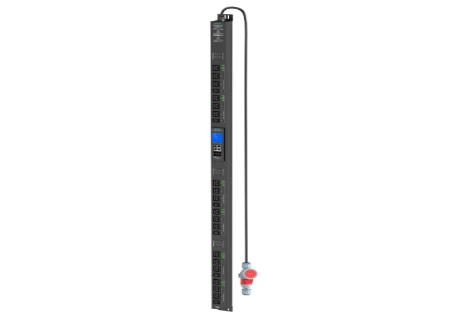
AI racks have changed how buyers think about power. A PDU is no longer just a row of outlets. It now has to match higher load, mixed plug types, live monitoring, and faster recovery after faults. That is why the topic of rack PDU for AI data center projects is getting so much attention.
At KAILES, we see this shift in real projects every day. Our Product Center includes basic PDU, metered PDU, monitored PDU, smart-managed PDU, and high-power PDU for different rack power needs. We focus on practical power distribution, clear load visibility, remote management, and reliable support, helping data center teams build safer and more stable rack power systems.
Why AI Racks Have Changed PDU Planning
The biggest change in the market is power density. GPU-heavy racks pull more current, run hotter, and leave less room for error. A buyer who once checked socket count only now has to look at amperage, input type, outlet mix, and remote access. Even a small mismatch can slow the whole rack or create a safety issue.
Higher Density, Higher Risk
AI and other compute-heavy loads put real stress on power paths. A rack that looks fine on paper may fail in practice if the input cannot carry the load or if the outlet layout does not fit the devices. That is why the PDU must be chosen together with the cabinet plan, not after it.
For many teams, the first questions are simple but important:
- What is the actual rack load?
- Is the feed single-phase or three-phase?
- Do the servers need C13, C19, or a mix?
- Will the rack grow in the next 6 to 12 months?
These questions matter because the wrong PDU creates wasted space, weak airflow, and extra work for the team.
Why Monitoring Matters
In older racks, people often reacted after a fault happened. That approach does not work well in AI spaces. Power load can rise fast, and a small issue can turn into a rack outage in minutes. A monitored or smart-managed unit gives clear data on current, voltage, power, and energy, so teams can spot stress early.
Some KAILES smart products also support web, apps, and SNMP viewing, with measurement accuracy up to ±1%. That kind of live data helps teams make better choices about expansion, load split, and service timing.
Match the PDU Type to the Job
Once the rack load is clear, the next step is matching the product to the job. Not every project needs the same level of control. A small cabinet, a growing server room, and a GPU cluster all require different features. The best choice is the one that fits the load today and still leaves room for the next phase.
Basic PDU
A basic PDU works well when the main need is stable power distribution with simple protection. It is a good fit for smaller racks, office cabinets, and cost-sensitive projects. KAILES basic models are built for simple use, with overcurrent protection and a clean, standardized layout.
Metered PDU
A metered PDU is the next step up when you need local power readings. It shows input voltage, current, power, and energy on the unit itself. That makes it easier to check load at the rack without opening a separate system. It is practical for teams that want more control but do not yet need full remote management.
Monitored PDU
A monitored PDU is a stronger match for data centers that want live visibility and better planning. KAILES monitored units can track rack power data and, in some models, support temperature and humidity sensing too. That is useful when the rack is part of a fast-growing IT room or a small data center that still needs clear control.
Smart–Managed PDU
A smart-managed PDU fits teams that want remote access, outlet-level control, and deeper data. This is the right path for many AI and cloud environments. It helps reduce downtime, improve recovery time, and support planned shutdowns or restarts without sending staff to the rack every time.
High–Power PDU
When load keeps rising, a high-power PDU becomes the better choice. KAILES offers solutions for current ranges from 32A to over 100A, with support for 20kW to 50kW or more per rack. That matters for GPU clusters and other energy-heavy systems where a standard rack unit is no longer enough.
What to Check Before You Buy
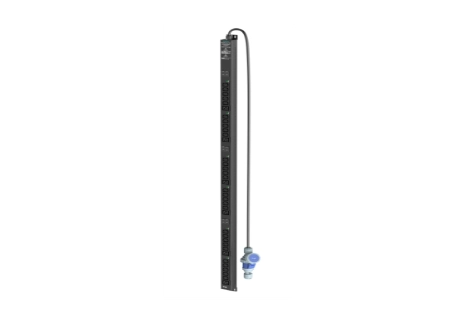
A good PDU choice is not only about the product type. It is also about the small details that affect daily use. The best buying decisions come from a clear check of power input, outlet layout, and control needs.
Input Power and Plug Type
Start with the input side. Check voltage, current, phase type, and connector style before you compare models. A rack that runs on 220-240Vac WYE does not need the same layout as a lighter office cabinet. The wrong input choice can create installation delays and future load problems.
Outlet Mix and Rack Layout
Next, look at the devices inside the rack. Many IT environments use a mix of C13 and C19 plugs, and the quantity can change fast as servers are added. A good PDU should match the real mix, not just the first build list. KAILES product pages show many outlet combinations, which are useful for different cabinet sizes and load patterns.
Data and Control Features
Then decide how much visibility you need. If the team only wants local readings, metering may be enough. If the project needs remote control, live alerts, or power trend checks, smart-managed units are a better fit. This is where planning pays off, because the right feature set helps the team act before overload becomes a fault.
For teams building a new project, it also helps to keep service in mind from the start. Our Pre-sale Service supports power assessment, solution design, sample testing, and fast drawing work. If the rack is already live, our After-sale Service supports response, warranty, remote help, and long-term maintenance.
How KAILES Supports a Practical Rollout
At KAILES, we do not treat the PDU as a small accessory. We treat it as part of the rack power plan. That is why our product line covers basic, metered, monitored, smart-managed, and high-power models. Different projects move at different speeds, and a good rollout should leave room for growth without forcing a full rebuild.
For a data center team, the real value is simple: choose the right PDU once, then keep the rack stable as demand grows. If the project is still in the design stage, a review of current load, plug type, and outlet count can save time later. If the project is already active, the ability to monitor power and respond fast can help avoid surprise downtime. That is the kind of work we focus on every day at KAILES.
Conclusion
Choosing a rack PDU for an AI data center is now a planning task, not a last-minute purchase. The best result comes from matching load, outlet mix, monitoring level, and service support to the real project. For AI racks, the pressure is higher, the heat is stronger, and the margin for error is smaller. That is why buyers are moving toward metered, monitored, smart managed, and high power options that can grow with the cabinet. At KAILES, we build our PDU range around those needs, so teams can keep power clear, steady, and ready for the next stage.
FAQs
Q: What is the best rack PDU for an AI data center?
A: A monitored or smart managed rack PDU with the right amperage and outlet mix.
Q: When should I choose a high power PDU?
A: When the rack needs 32A+ input or more than 20kW load.
Q: Is a metered PDU enough for a small data center?
A: Yes. It gives local readings and works well for simpler racks.

