STS PDU
Professional OEM/ODM Customization Solutions

STS PDU

share

Facebook
Twitter
LinkedIn
Product Introduction

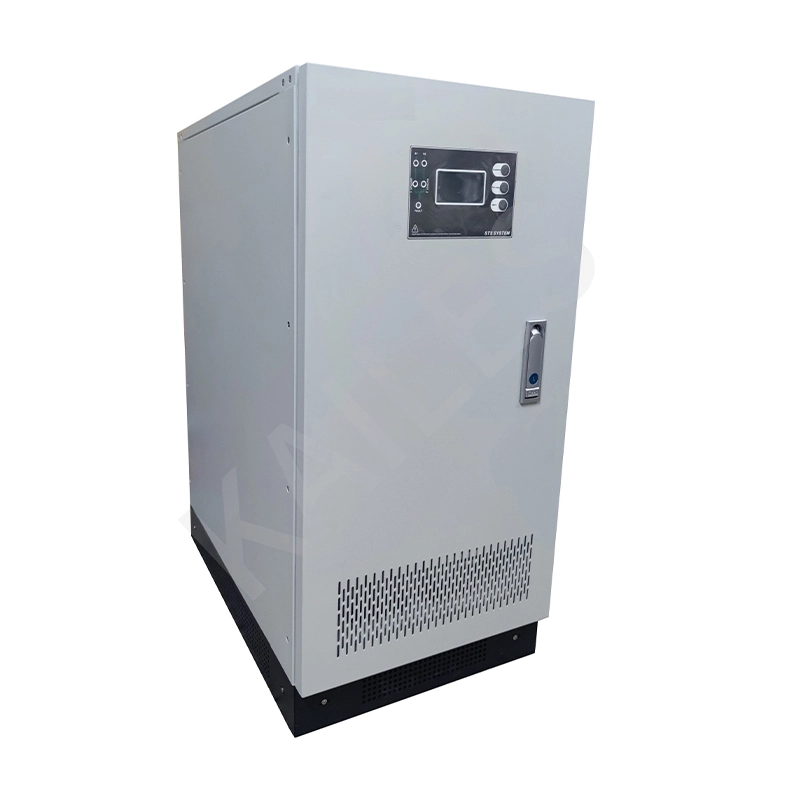
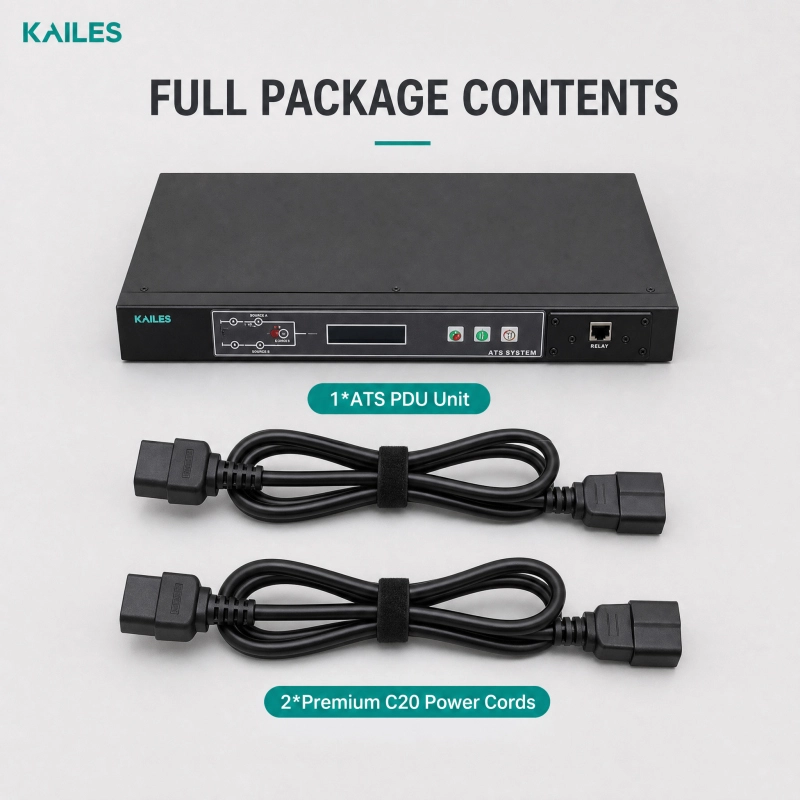
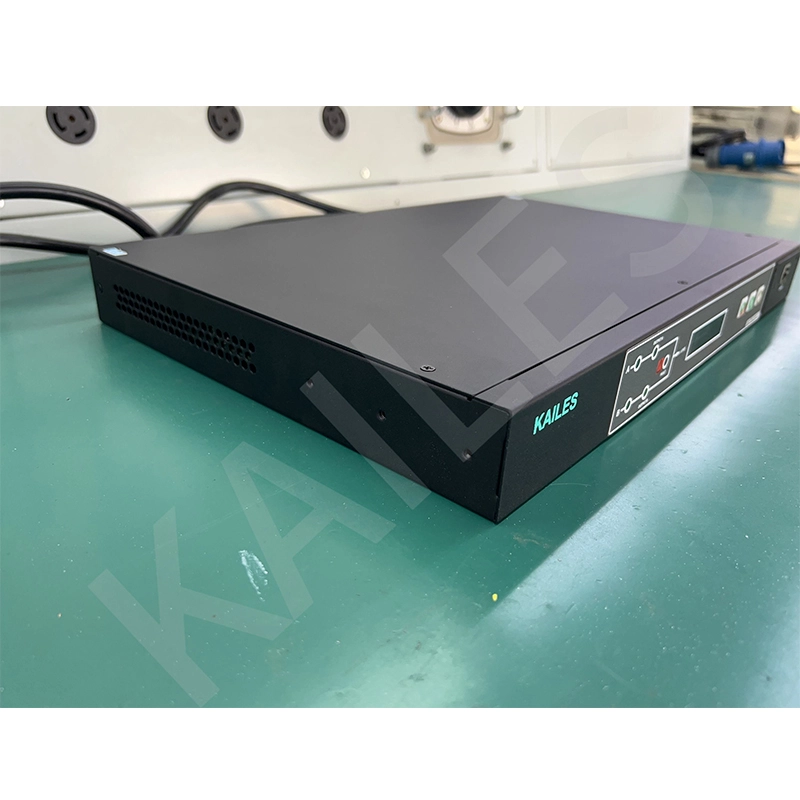
The STS PDU is a dual-input rack power distribution unit designed to improve power availability for servers, network devices, storage systems, and other single-corded equipment. It connects to two compatible AC power sources and automatically transfers the connected load from the preferred source to the alternate source when the preferred source becomes unavailable or moves outside the configured operating limits.

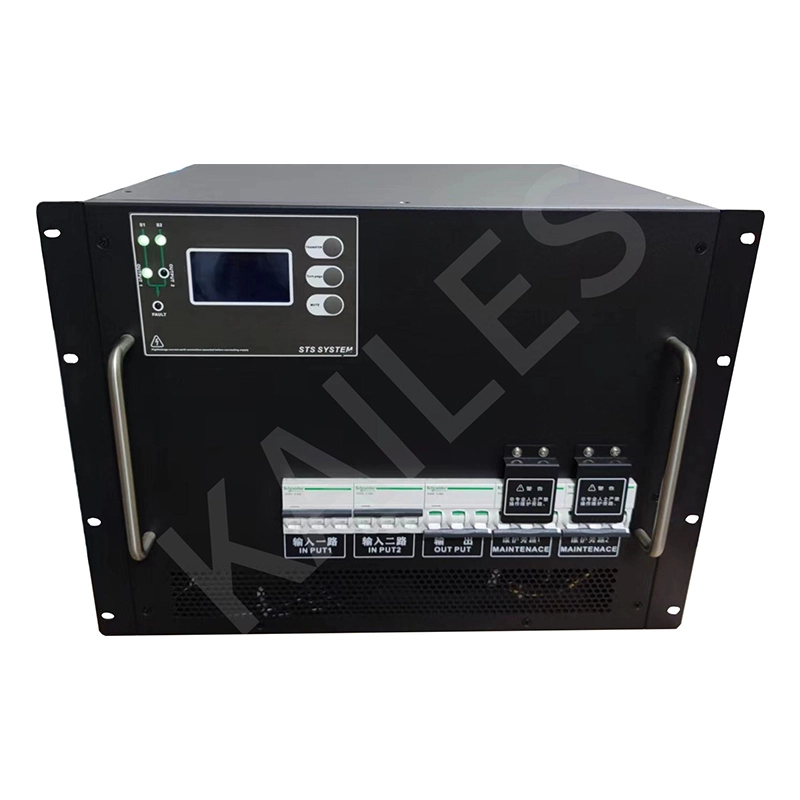
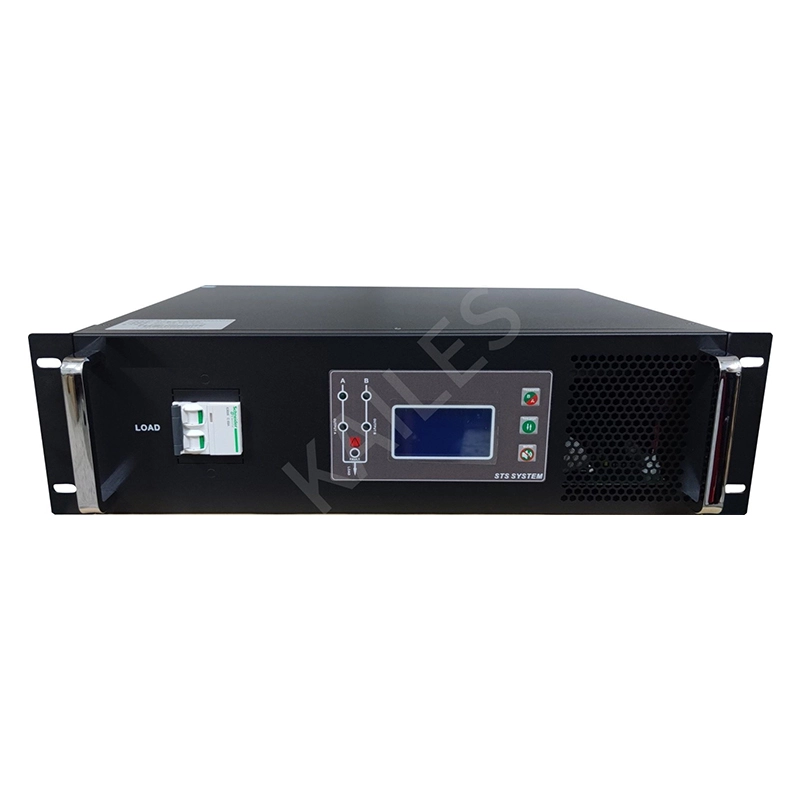
The unit combines automatic source transfer, rack-level power distribution, electrical monitoring, alarm management, and optional network communication in a compact rack-mount design. Depending on the selected model, it can support input and outlet metering, source-priority selection, remote monitoring, environmental sensors, event logging, and communication with DCIM or network-management platforms. Input ratings, transfer time, source compatibility, outlet configuration, monitoring functions, and certification status depend on the approved model.

Product Features
Dual-Input Power Redundancy - Improved Availability for Single-Corded Equipment
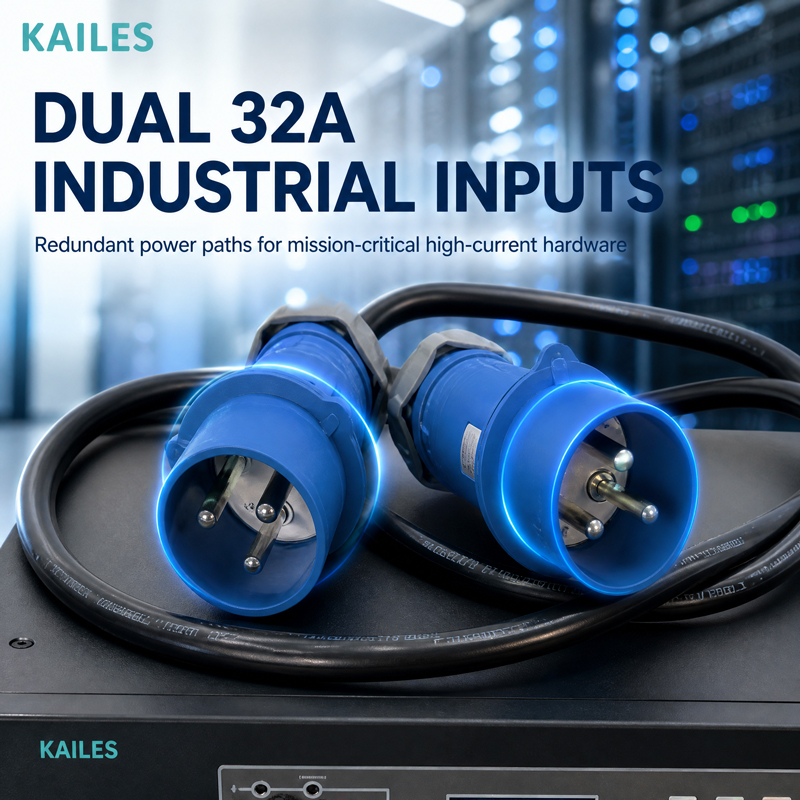
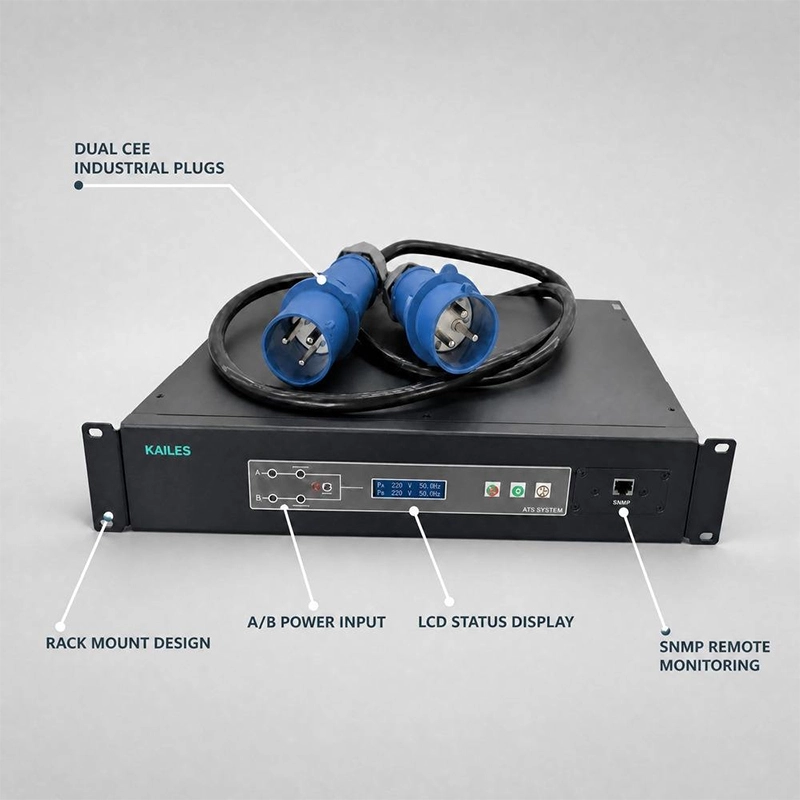
Two independent AC inputs allow the STS PDU to connect to separate primary and alternate power sources. If the preferred source fails or moves outside the configured voltage or frequency limits, the unit automatically transfers the connected load to the available alternate source, helping improve rack-level power availability.
Fast Static Transfer — Reduced Power Interruption During Source Changes
A static or hybrid switching architecture enables rapid transfer between compatible sources. Transfer performance depends on source phase relationship, voltage and frequency conditions, load characteristics, switching technology, and the approved model. The verified transfer time should be stated in the product datasheet rather than described as universally interruption-free.
Intelligent Source Selection — Configurable Priority and Transfer Logic
Users can define the preferred power source and applicable transfer or retransfer logic. Depending on the model, configurable thresholds and delays can help prevent unnecessary switching caused by temporary voltage disturbances and support controlled return to the preferred source after stable power is restored.
Power Monitoring and Alarm Management — Clear Visibility of Both Sources and Loads
Selected models monitor the status and electrical parameters of both input sources, including voltage, current, frequency, power, energy, and source availability. Configurable alarms can indicate source loss, abnormal voltage, overload, transfer events, breaker status, temperature, communication faults, and other model-supported conditions.
Flexible Rack Distribution — Multiple Input, Outlet, and Mounting Options
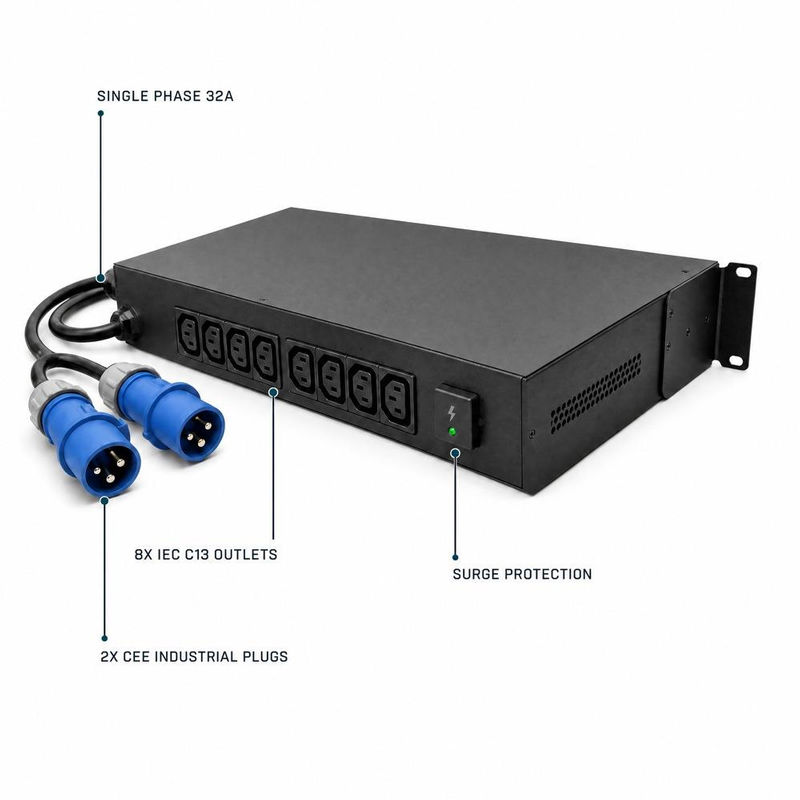
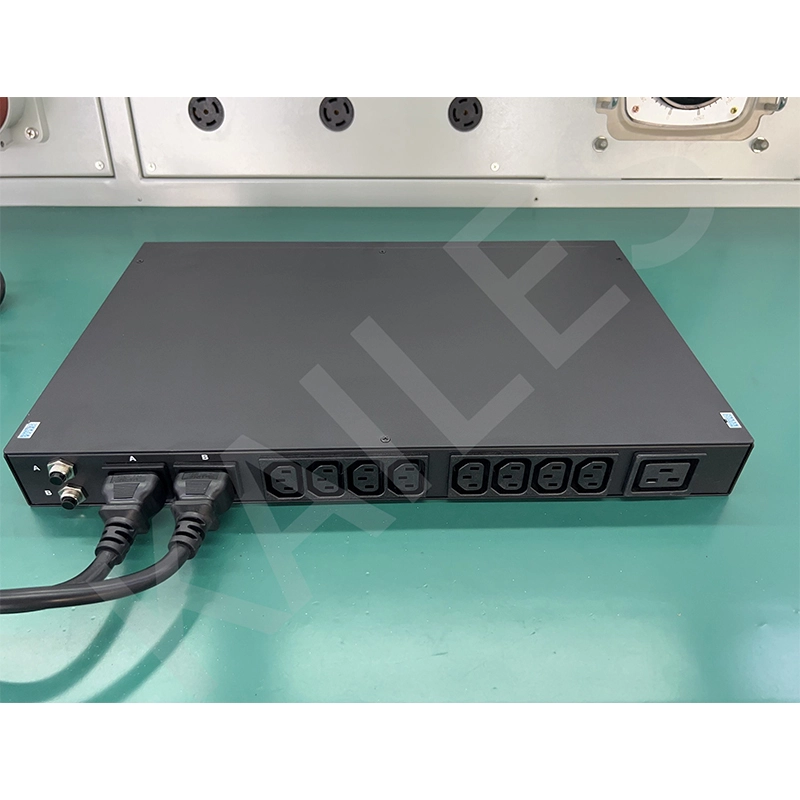
Available configurations can include IEC C13/C19, NEMA, or other regional outlet types; model-specific input plugs and current ratings; and horizontal 1U/2U or vertical rack mounting. Outlet quantity, branch protection, cord length, plug type, and mounting accessories can be configured within the approved product platform.
Remote Management and Event Traceability — Efficient Rack-Level Operation
Networked models can support Ethernet, SNMP, Modbus, HTTPS/Web access, email notification, event logs, and optional environmental sensors. These functions help operators review source conditions, transfer history, alarms, load status, and environmental data through DCIM, NMS, BMS, or other compatible monitoring systems.
Product Image Display
Dimension UL / North American Technical Options IEC / International Technical Options
Whole-Product Standard Path Depending on architecture and intended use, the NRTL may evaluate the product under UL/CSA 62368-1, UL 1008S for qualifying solid-state transfer equipment, UL 1008 for applicable transfer-switch equipment, or another assigned product category. The certification path must be confirmed before design freeze. IEC/EN IEC 62368-1 may apply to ICT rack equipment; IEC 60947-6-1 applies to transfer switching equipment where the product falls within its scope. EMC, RoHS, plug/socket, cord-set, and regional requirements also apply.
Rated Input Voltage Typical rack options include 100–125 V, 200–240 V, or model-specific three-phase systems Typical rack options include 220–240 V single-phase or 380–415 V three-phase
Rated Input Current Typical options: 15 A, 20 A, 30 A, 50 A, or 60 A, subject to both input plugs, cords, switching devices, protection, and certified design Typical options: 10 A, 16 A, 32 A, or 63 A, subject to IEC 60320/60309 input, switching devices, protection, and verified design
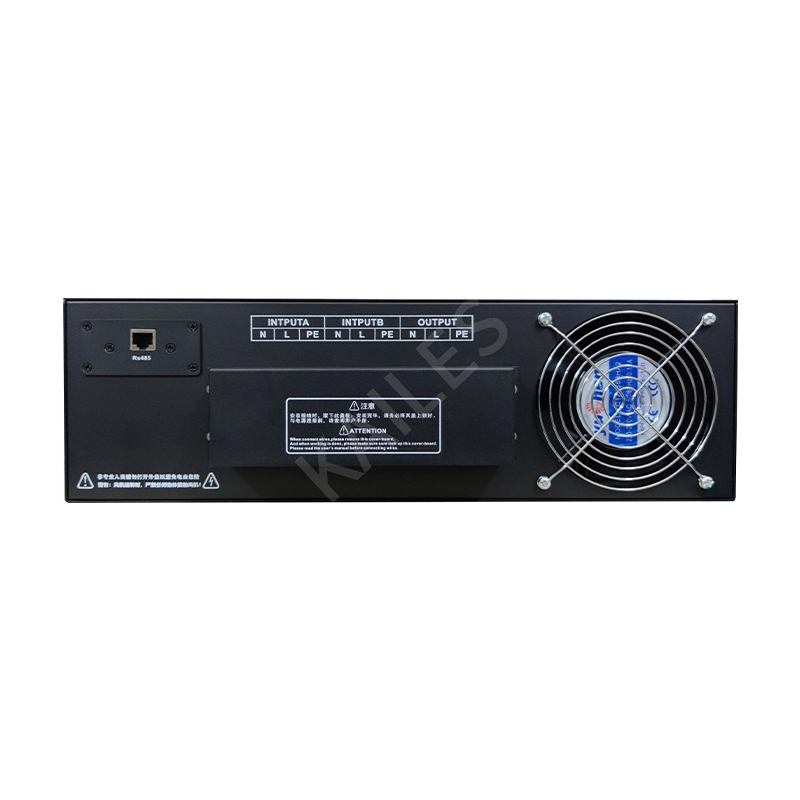
Input Plug / Inlet Two matching or approved compatible NEMA inputs, locking plugs, pin-and-sleeve connectors, appliance inlets, or hardwired sources Two matching or approved compatible IEC 60320/60309 inputs, regional plugs, appliance inlets, or hardwired sources
Output Receptacles NEMA 5-15R/5-20R, IEC C13/C19, or approved mixed configurations IEC C13/C19, Schuko, French, BS 1363, or other approved regional sockets
Receptacle Standards UL 498 for applicable NEMA receptacles; UL 60320 or certified assembly evaluation for IEC-style outlets IEC 60320-1; IEC 60884-1 or applicable national socket standards
Circuit Protection Approved UL 489 circuit breaker, fuse, or UL 1077 supplementary protector according to its permitted function and certified circuit design Circuit breaker, MCB, or fuse selected according to the verified design and applicable IEC 60898-1, IEC 60947-2, or fuse standards
Solid-State Transfer Device SCR/thyristor and semiconductor protection selected and evaluated as part of the certified product and applicable transfer-standard path Semiconductor switching devices selected and evaluated under the applicable IEC product and component standards
SPD Optional UL 1449 SPD where included in the certified configuration Optional SPD according to IEC 61643-11 and applicable installation requirements
Power Cord Approved power-supply cord or cord set; UL 817 as applicable Cord set according to IEC 60799 and applicable cable/plug requirements
Certification / Marking UL Listed, cULus, or other NRTL mark only when the exact STS/ATS architecture, ratings, firmware-related safety functions, and manufacturing location are covered CE/UKCA declaration, CB documentation, EMC, RoHS, and other marks only after applicable conformity assessment and technical documentation are completed
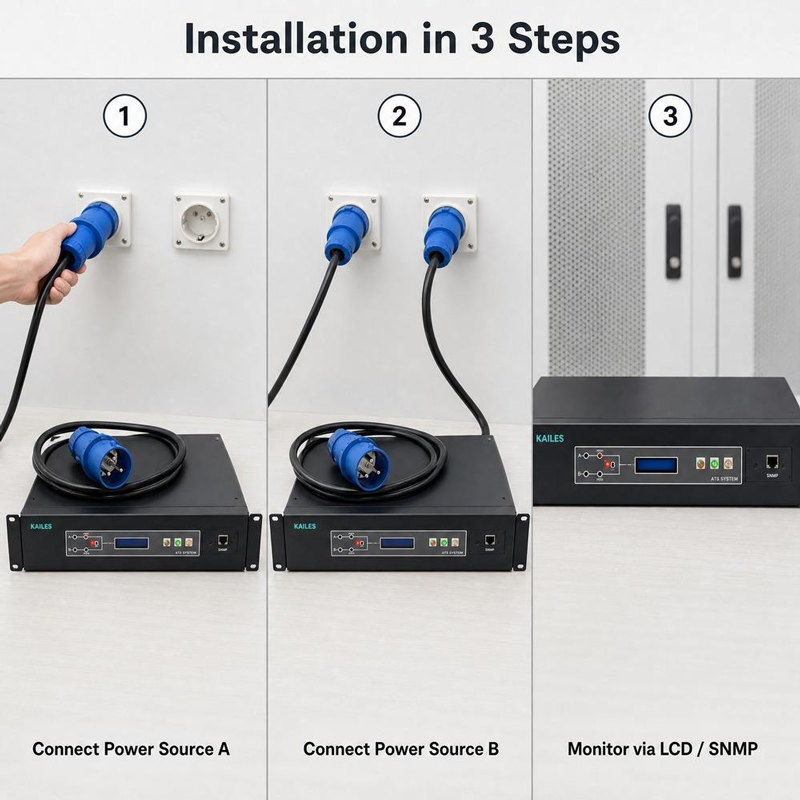
Installation Guide
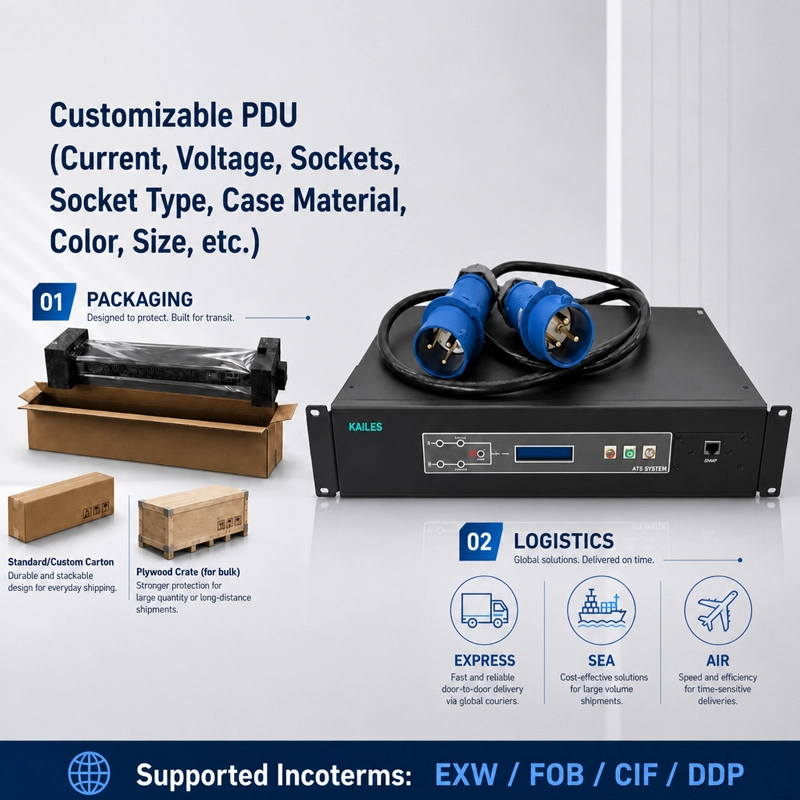
KAILES: One-Stop Service System from Design to Global Delivery
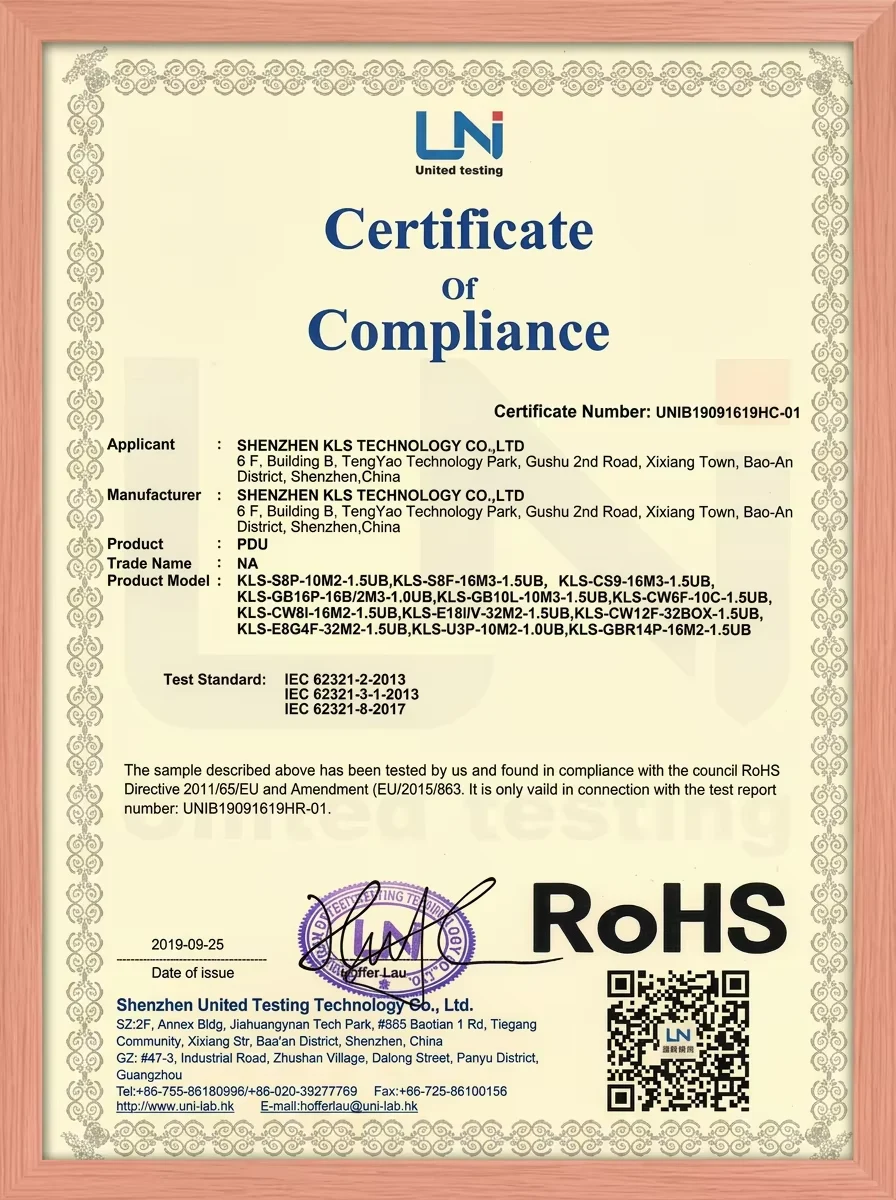
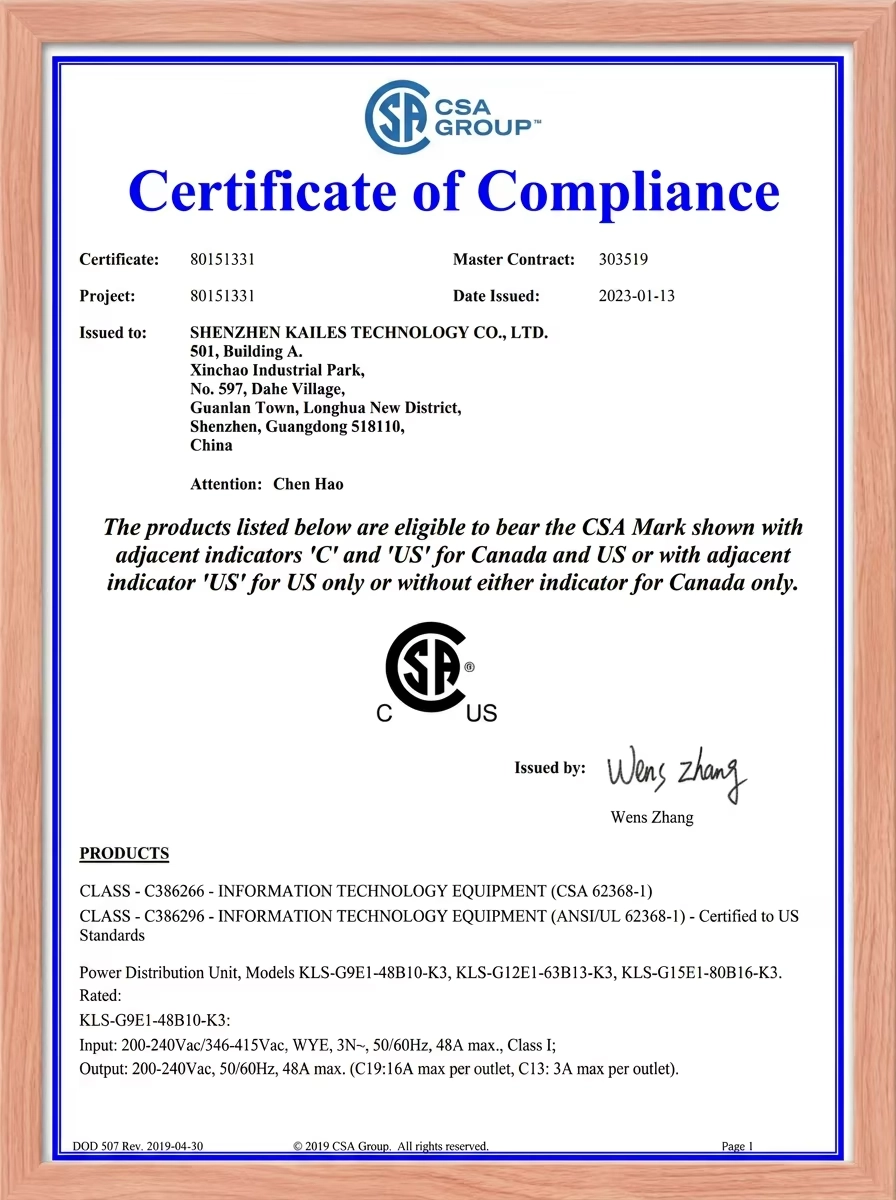
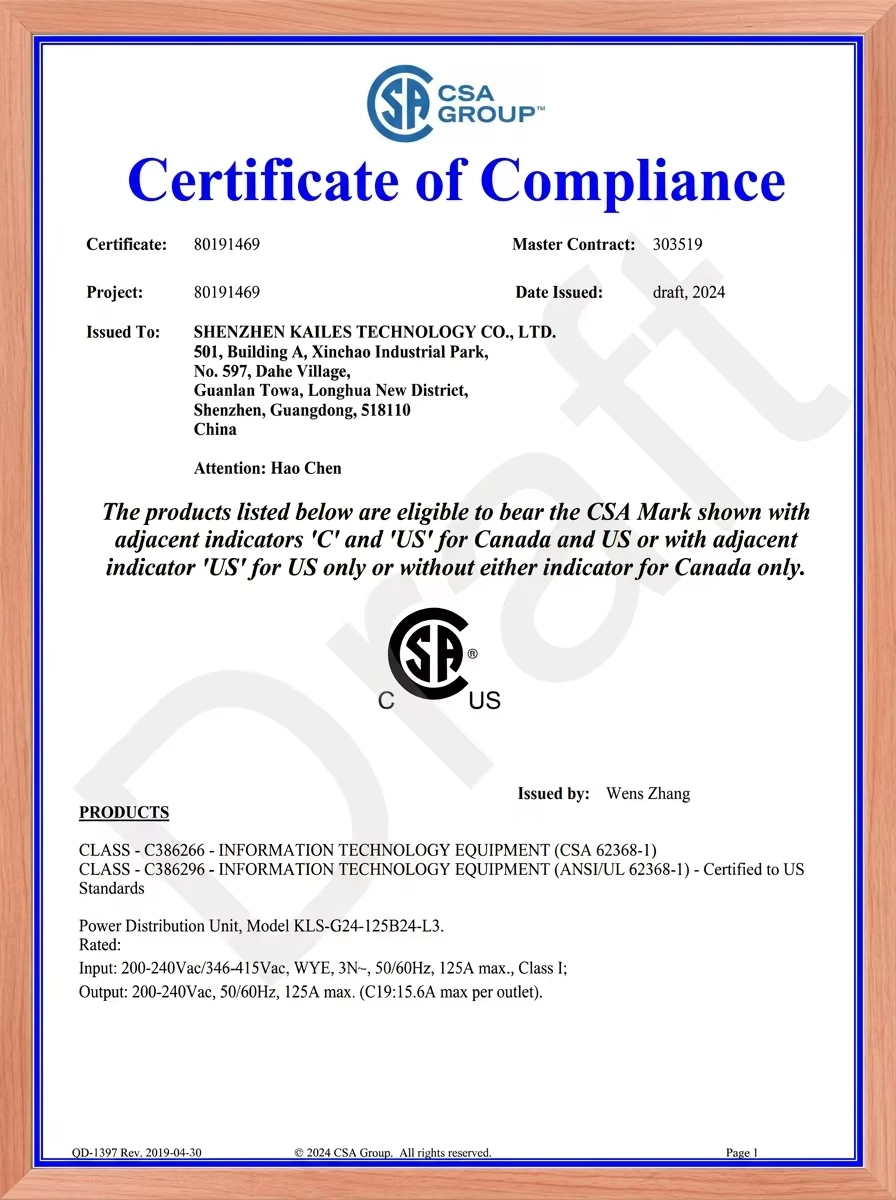
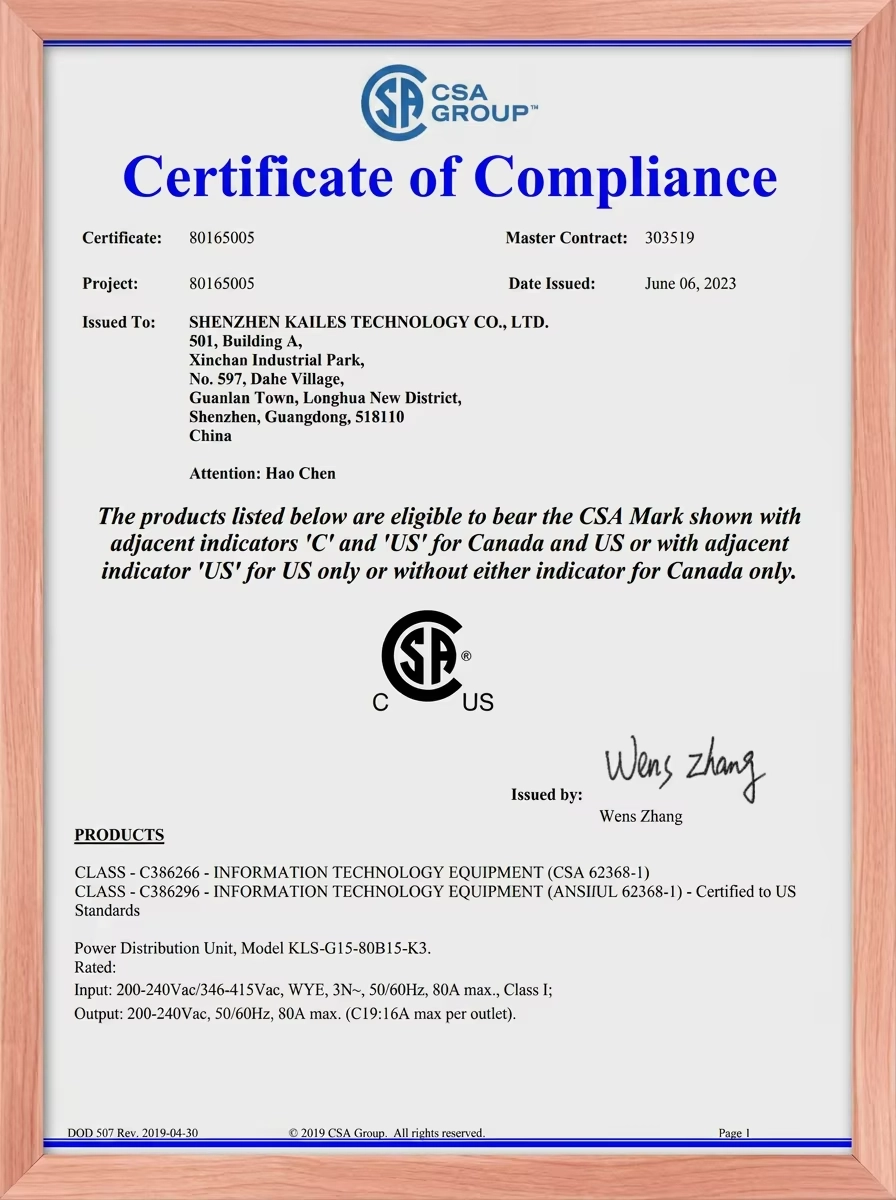
Certification Certificate
Frequently Asked Questions
Experiential Marketing
What is an STS PDU?
An STS PDU is a rack-level power distribution unit with two AC inputs and an automatic source-transfer function. It is designed to supply single-corded rack equipment from a preferred source and transfer the load to an alternate source when required.
What is the difference between an STS PDU and an ATS Rack PDU?
An STS generally uses solid-state switching devices, while an ATS Rack PDU commonly uses electromechanical relays or contactors. A hybrid rack transfer system may combine solid-state and electromechanical devices. The correct product name should match the actual switching architecture and verified performance.
How fast does the STS PDU transfer between power sources?
Transfer time is model-specific and depends on the switching technology, phase relationship between the two sources, voltage and frequency conditions, and connected load. The guaranteed transfer time and test conditions should be taken from the approved product datasheet. Do not assume that every load will experience a completely interruption-free transfer.
Do the two input sources need to have the same voltage, frequency, and phase?
Both sources must remain within the input limits specified for the selected model. Some STS designs require synchronized or closely matched sources for the fastest transfer, while other designs can transfer between asynchronous sources under defined conditions. Source compatibility must be confirmed before installation.
Can I select the preferred power source and automatic retransfer settings?
Yes, on models that support configurable source priority. Users may select Source A or Source B as the preferred input and configure applicable transfer delay, retransfer delay, and stability settings. Available parameters depend on the controller and firmware.
What electrical and monitoring functions are available?
Depending on the model, the STS PDU can monitor input voltage, current, frequency, power, energy, source status, transfer events, branch loading, outlet loading, temperature, humidity, and breaker status. Metering level, accuracy, alarm functions, and sensor support vary by model.
Which plugs, outlets, current ratings, and rack formats are available?
Common options can include IEC, NEMA, or IEC 60309 input plugs; IEC C13/C19, NEMA, or other regional outlets; and model-specific single-phase or three-phase ratings. Horizontal 1U/2U and selected vertical configurations may be available. All options are subject to the approved electrical and mechanical design.
What remote-management and after-sales support do you provide?
Networked models can support remote monitoring, alarms, event logs, configuration management, and protocol integration. After-sales support can include product documentation, wiring guidance, remote troubleshooting, configuration review, replacement-component assistance, and video-guided service. Warranty and service scope are defined in the quotation or contract.
Contact us

Committed to providing customers with intelligent, safe and reliable power distribution solutions.

Wechat