
AI workloads, factory automation, and new energy projects are changing the way engineers plan electrical rooms. A site may start with a familiar load profile, then add high-density racks, variable-speed drives, battery systems, or production lines within a short design cycle. The result is a practical question for electrical contractors, data center operators, consultants, and procurement teams: can the switchboard, panel board, and control cabinet still support the project after the next expansion?
The latest discussion about power infrastructure is no longer limited to capacity. Teams are also asking, “What are the current trends in intelligent power management?” The answer points to better metering, faster fault information, modular designs, and equipment that can be maintained without slowing the whole site. This article offers a project-focused way to compare the three equipment groups and avoid costly mismatches.
Why Power Distribution Choices Are Under Pressure
Power demand is rising in both digital and industrial environments. Data centers are adding high-density racks, while factories are connecting more motors, drives, sensors, and automated processes. Recent industry coverage has also highlighted the sharp growth in data center electricity use and the pressure created by AI-focused infrastructure. That trend makes the electrical distribution path a design issue, not a late purchasing detail.
A low-voltage switchboard normally sits near the front of the distribution system. It receives power, divides it into major feeders, and provides switching and protection. A panel board serves a more local area, such as a floor, production zone, equipment room, or branch-circuit group. An industrial control panel or control cabinet manages the operation of machines and processes. These functions are different, but the equipment must work together.
A useful project review should ask:
- Will the equipment rating cover the present load and a realistic expansion allowance?
- Does the enclosure match the indoor, outdoor, wet, dusty, or corrosive location?
- Are the required UL, CSA, IEC, NEC, or site standards clear before quotation?
- Can operators read power data and identify a fault quickly?
- Are drawings, testing records, spare parts, and remote support included?
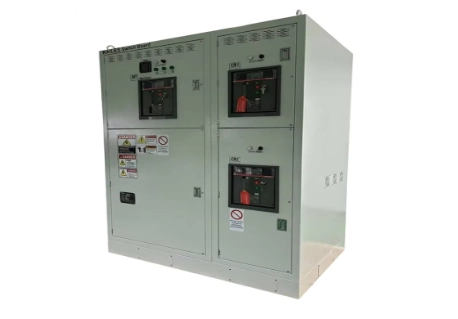
What Should You Compare Before Selecting a Low Voltage Switchboard?
Selecting a switchboard by price alone can create problems at installation. The better approach is to compare the rating, construction, compliance path, access requirements, and future options as one package. This matters especially for low-voltage switchboards in USA projects, where working space, SCCR, listing scope, and installation conditions can affect both approval and schedule.
Rated Current, Fault Duty, and Busbar Design
Start with the available fault current and the expected continuous load. A project with large motors, transformers, or high-density racks may need far more headroom than a conventional commercial building. Check rated voltage, frequency, phase arrangement, short-circuit rating, busbar material, cable entry, and the planned feeder arrangement. The answer should come from the electrical study, not a standard catalog size.
For larger facilities, it is also wise to confirm whether fixed or draw-out breakers, electronic trip units, digital meters, surge protection, or Modbus communication will be needed. These options influence cabinet space, heat management, commissioning, and maintenance access.
Compliance and Working Space
For North American work, the design team should confirm the applicable listing and the full certified configuration. A dead-front construction can reduce the chance of accidental contact during normal operation, but it does not replace proper lockout, working space, or site safety procedures. Check the front clearance, width, headroom, cable route, dedicated electrical space, and access path before the lineup is released for production.
Our KAILES switchboard solutions are developed around project ratings and installation conditions. We can discuss UL or IEC requirements, enclosure choices, metering, busbar arrangements, and factory testing before the final quotation. That early review helps the equipment fit the real project rather than a generic specification.
When Does a Panel Board Make More Sense?
A panel board is often the practical choice when power has already been brought close to the load area and the project needs organized branch-circuit distribution. It can serve lighting, receptacles, HVAC equipment, pumps, motors, or smaller equipment groups. The selection challenge is to balance circuit count, current rating, enclosure protection, access, and future spare ways without filling the enclosure on day one.
Branch-Circuit Flexibility and Safe Expansion
Review the main breaker or main lug arrangement, branch breaker selection, neutral and ground bars, short-circuit rating, and cable-entry direction. A data center electrical panelboard may also need digital metering, branch-circuit monitoring, surge protection, or communication interfaces. In an industrial area, the same panel board may need a stronger enclosure and a clear separation from heat, water, dust, or moving equipment.
A panel board should be easy to identify and service. Clear labels, logical circuit grouping, and room for future circuits can save more time than a small initial purchase discount. Ask the supplier for the complete wiring arrangement, mounting details, enclosure rating, and the conditions that affect the certified scope.
Matching Regional Requirements to the Project
North American and IEC-market configurations may use different standards, ratings, and enclosure conventions. The design team should provide voltage, frequency, phase, SCCR, available fault current, ambient conditions, installation location, and cable details early. This information lets the manufacturer select a suitable configuration instead of changing the panel after approval.
Our KAILES panel board range supports project-specific configurations with monitoring and protection options. We also provide technical consultation and drawing support so procurement teams can compare complete solutions, not only the number of breakers.
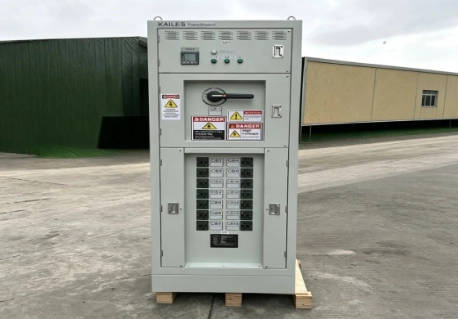
How Should Industrial Control Cabinets Connect With Distribution?
A control cabinet is judged by the way it controls a process, not only by its enclosure. Production lines, pumps, fans, conveyors, HVAC systems, and water-treatment equipment may need PLCs, HMIs, relays, variable-frequency drives, overload protection, communication modules, and alarm logic. A cabinet that is electrically sound but difficult to troubleshoot can still create long downtime.
The design review should cover:
- the separation of power and control circuits;
- PLC, HMI, drive, relay, and communication requirements;
- SCCR and overcurrent protection for the selected components;
- labeled conductors, terminal plans, and electrical drawings;
- ventilation, heating, cooling, or humidity control;
- future I/O points and space for later changes.
This is where industrial power control and equipment control meet. The control cabinet needs clean signals and reliable protection, while the upstream distribution equipment must provide stable power during normal operation and planned maintenance.
Our KAILES industrial control panel can be configured for automated equipment and connected process systems. We can support drawings, PLC and HMI coordination, communication setup, remote troubleshooting, and video-guided service according to the project scope.
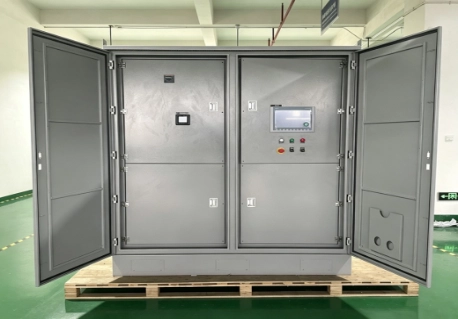
For a complete power project distribution package, the main benefit of one experienced supplier is not simply fewer purchase orders. It is the chance to review the switchboard, panel board, control cabinet, metering, wiring, and documentation as one electrical system. That reduces gaps between the equipment schedule and the site installation plan.
Before placing an order, request a technical package that includes:
- a single-line diagram and equipment layout;
- rated voltage, current, SCCR, and enclosure information;
- breaker, busbar, meter, and communication details;
- cable-entry direction and installation clearances;
- factory inspection or FAT documents;
- packing, delivery, warranty, and spare-part terms.
At KAILES, we provide pre-sales technical support for demand review, product selection, drawing preparation, and cost discussions. After delivery, our after-sales support includes remote technical consultation, troubleshooting guidance, documentation, and replacement-component support. These details matter when a project has a tight commissioning date or serves a critical load.
Conclusion
Choosing electrical distribution equipment for a modern facility requires more than matching a product name to a load list. A low-voltage switchboard must handle the main distribution duty and the project’s fault conditions. A panel board should organize branch circuits with safe access and practical expansion space. An industrial control panel must support the machine logic, protection, communication, and maintenance plan. As high-density racks and automated equipment increase power demand, these three layers need to be reviewed together. Project teams that confirm standards, ratings, enclosure conditions, monitoring needs, drawings, testing, and support before ordering can reduce redesign risk and build a power system that remains useful as the site grows. We help customers connect those decisions from design through global delivery.
FAQs
Q: What is the difference between a switchboard, panelboard, and control cabinet?
A: A low-voltage switchboard handles main power distribution and major feeders. A panelboard distributes power to local branch circuits, while an industrial control cabinet manages machines, processes, drives, PLCs, HMIs, and related control functions.
Q: What should I check before selecting a low-voltage switchboard?
A: Check the rated voltage, current, frequency, phase arrangement, short-circuit rating, busbar design, cable entry, feeder layout, enclosure conditions, metering, protection, and applicable standards such as UL or IEC.
Q: When is a panelboard a better choice?
A: A panelboard is suitable when power has already been brought close to the load area and the project needs organized branch-circuit distribution for lighting, HVAC, pumps, motors, receptacles, or smaller equipment groups.

