
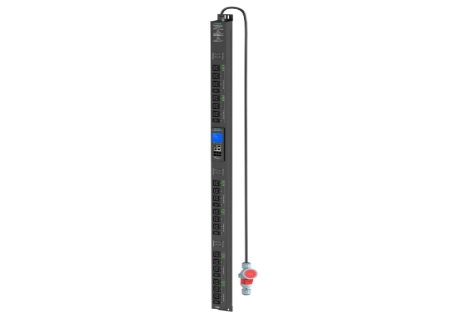
AI data centers are changing rack power requirements. Server cabinets now carry more computing equipment, higher power loads, and more heat than many traditional IT racks. For buyers, choosing a PDU is no longer a simple matter of counting outlets or comparing prices.
The real questions are more practical:
- Can the PDU support the rack’s actual load?
- Is the input voltage and phase correct?
- Are C13 and C19 outlets matched to the equipment?
- Is remote monitoring necessary?
- Does the protection system include a clear AIC rating label?
- Can the supplier provide custom designs?
- Will the PDU still fit when the rack expands?
Recent energy and data center analysis shows that AI-related computing is placing greater demands on electricity supply, cooling systems, and power distribution infrastructure. This makes the choice of a smart PDU manufacturer important for both new AI facilities and existing data centers adding high-density cabinets.
在 凯尔斯, we provide power distribution solutions for data centers, industrial automation, smart buildings, and new energy applications. Our product range includes Basic PDU, Metered PDU, Monitored PDU, Smart PDU, High Power PDU, STS dual power switchers, distribution panels, and control cabinets.
Start with the Rack Load, Not the PDU Model
Many buyers begin by searching for a 32A or 63A PDU. That is understandable, but the current rating should come after the load review. A PDU that looks suitable on a product page may not match the real equipment inside the cabinet.
List the Equipment Before Requesting a Quote
Before contacting a supplier, prepare a basic equipment list. It does not need to be perfect, but it should show the expected power demand and plug types.
Important information includes:
- Number of servers or computing devices
- Power supply quantity for each device
- Rated and expected running power
- Peak power demand
- 输入电压
- 单相或三相供电
- C13, C19, or other outlet requirements
- A/B power arrangement
- Future rack expansion
- Operating temperature and installation location
For example, a high-density AI rack may require a different PDU from a standard server rack. A 32A unit may be sufficient for one cabinet, while a high-power cabinet may need a larger current rating and stronger upstream distribution.
The PDU should be selected according to actual power demand, not only the maximum number printed in a catalog.
Consider the Upstream Power System
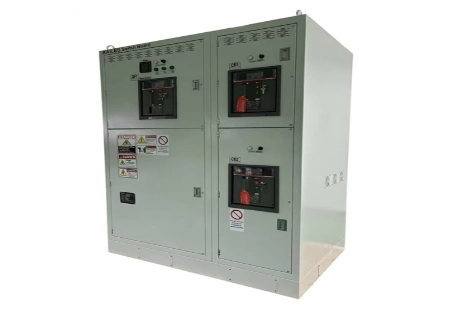
A rack PDU is connected to a larger system. The upstream equipment may include a panelboard, distribution cabinet, UPS, STS, or a 2000A switchboard serving the data center. If the upstream and downstream equipment are selected separately, the result may be poor coordination or insufficient capacity.
The buyer should check whether:
- The feeder can carry the planned PDU load
- The breaker rating matches the cable and PDU input
- The fault current has been reviewed
- The rack has one or two independent power paths
- Expansion capacity has been reserved
- The electrical room can support the additional heat and load
This system view helps prevent a common mistake: choosing a PDU with a high rating while the feeder or upstream protection remains too small.
Match PDU Functions to the Operation Team
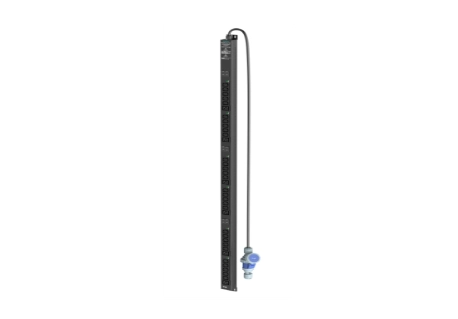
Not every rack needs the same level of intelligence. A basic PDU may be enough for a simple cabinet, but a data center with remote operations and high-value computing equipment may need more information and control.
用于简单配电的基本型 PDU
A Basic PDU is suitable when the main need is stable power distribution. It can be used in office equipment rooms, standard server cabinets, laboratories, and industrial applications where remote monitoring is not required.
This option may work well when:
- The rack load is stable
- Local inspection is easy
- The cabinet does not need remote control
- The project has a limited monitoring budget
- The equipment does not require outlet-level management
However, the buyer should still confirm the input plug, outlet count, breaker protection, installation method, and operating temperature.
Metered PDU for Local Power Visibility
A Metered PDU adds local readings for voltage, current, power, energy, and other electrical values. This gives the operator a clearer view of the cabinet load without adding a complete remote management system.
It can be useful when the team needs to:
- Check whether a rack has spare capacity
- Confirm actual power use after installation
- Identify load growth
- Support equipment replacement
- Reduce the risk of overload
- Plan future cabinet expansion
For small and medium-sized data centers, local metering is often a practical middle option between a basic PDU and a fully managed solution.
用于远程操作的监控型或智能型 PDU
A Monitored PDU can provide real-time data through network or communication interfaces. A Smart PDU can add remote management, alarms, environmental sensors, outlet control, and event records, depending on the model.
This becomes valuable when:
- The data center is operated by a small team
- Racks are located in different rooms or sites
- Remote fault diagnosis is important
- Power usage must be tracked continuously
- Temperature and humidity need attention
- The facility requires stronger maintenance records
KAILES Smart PDU solutions support different functional levels, including total monitoring, unit monitoring, switched control, and combined monitoring and switching. Some configurations also support Ethernet and RS485 communication.
Check the AIC Rating Label Before Approval
A PDU is part of an electrical system, so protection details should not be ignored. Buyers often ask about standard AIC ratings for panelboards, but there is no single value suitable for every site. The required rating depends on the available fault current, voltage, upstream protection, and project requirements.
Why the AIC Rating Label Matters
The AIC rating generally relates to the interrupting capacity of a circuit breaker or fuse. It indicates the fault current that the protective device can interrupt safely under stated conditions.
An AIC rating label helps the installer, inspector, and maintenance team identify the equipment rating in the field. But the label should agree with the actual device, configuration, and project documents.
Buyers should ask the supplier to confirm:
- Circuit breaker interrupting rating
- Available fault current at the installation point
- PDU voltage and current
- Protection device model
- Short-circuit documentation
- Nameplate and label content
- Applicable project standards
A buyer should not assume that a high AIC breaker automatically gives the entire PDU or cabinet the same system rating. The protective device and the complete assembly must be reviewed together.
Avoid Using Generic Rating Language
Terms such as “high short-circuit rating” or “standard AIC” are not enough for a project approval. The RFQ should request actual values and supporting documents.
A clear technical request may include:
- Required AIC value
- Required SCCR value where applicable
- Breaker quantity and rating
- Input protection method
- Branch circuit arrangement
- Test report or factory inspection record
- Required nameplate information
This approach gives the engineering team a better basis for reviewing the proposal.
Choose the Right Outlet and Installation Design
Power capacity is only part of the PDU decision. A unit can have enough current but still be difficult to install if the outlet arrangement or cable path is wrong.
Match C13 and C19 to the Equipment
The quantity of C13 and C19 outlets should follow the actual power cords used in the rack. Do not assume that every AI server must use C19. The correct choice depends on the equipment inlet, cord type, rated current, and project requirements.
Before ordering, confirm:
- C13 and C19 quantity
- Outlet spacing
- Plug retention needs
- Cable bending space
- Input cable direction
- Breaker group arrangement
- A/B outlet separation
A mixed C13/C19 layout is often helpful when a rack contains different types of servers, network devices, storage units, and control equipment.
Select Vertical or Horizontal Mounting Carefully
A vertical 0U PDU can save rack U space and provide a high outlet count. A horizontal 1U or 2U model may be easier to access from the front but uses valuable rack space.
The decision should consider:
- Rack height
- Rear clearance
- Door position
- Cable routing
- Airflow path
- Maintenance access
- Number of PDUs per rack
- Separation between A and B power paths
A supplier should review the rack drawing before final production. This is especially important for high-density cabinets with large power cords and limited rear space.
Look for Custom Engineering Support
Many customers are looking for power distribution unit manufacturers capable of custom builds to meet specific requirements. This usually means the standard product does not fully match the project.
A custom PDU may require:
- Special input plug
- Different outlet combination
- Custom shell length
- Vertical or horizontal cable entry
- Specific mounting holes
- Smart meter or environmental sensor
- SNMP, Modbus, Ethernet, or RS485 communication
- Special color or enclosure material
- Higher current capacity
- Integration with industrial power control
The best supplier should be able to review the project before production. Buyers should provide a rack drawing, equipment list, power requirements, outlet plan, and communication needs.
At KAILES, we support custom discussions for PDU, switchboard, panelboard, control cabinet, and STS applications. Our pre-sales 服务 includes technical consultation, demand analysis, solution design, drawing support, and sample testing.
Review Delivery and After-Sales Support
A PDU project is not finished when the products leave the factory. Data center operators may need installation guidance, troubleshooting, replacement advice, and technical support during commissioning.
Before choosing a supplier, ask:
- How quickly can drawings be prepared?
- What is the sample lead time?
- How are design changes handled?
- What testing is completed before shipment?
- Are installation instructions provided?
- Is remote technical support available?
- What is the warranty period?
- Can replacement parts be supplied?
KAILES 提供 after-sales 服务 including technical response, remote support, warranty assistance, and maintenance guidance. This support can be important when a data center is expanding quickly or operating with a small maintenance team.
结论
Choosing a smart PDU manufacturer requires more than comparing price and outlet quantity. Buyers should start with the rack load, review the upstream power system, select the right monitoring level, confirm the AIC rating label, and check outlet layout and installation space. A 2000A switchboard may support the wider facility, but each rack still needs a PDU that matches its voltage, current, protection, and future growth. For AI data centers, industrial IT rooms, and high-density computing projects, custom engineering support can reduce installation problems and approval delays. At KAILES, we help customers review these requirements and develop practical PDU, switchboard, panelboard, and industrial power control solutions.
常见问题解答
问: What does a PDU AIC rating label show?
A: It shows the interrupting capacity of the installed protective device under stated conditions.
问: Is a 2000A switchboard suitable for every AI data center?
A: No. The correct rating depends on load, voltage, fault current, and expansion plans.
问: Can a smart PDU manufacturer provide custom designs?
A: Yes. Custom designs can cover current, outlets, mounting, monitoring, communication, and enclosure requirements.

