
AI data centers are changing the way electrical teams plan rack power. A cabinet that once operated within a familiar load range may now support dense computing equipment, faster processors, advanced cooling systems, and higher peak demand. As a result, the PDU is no longer a simple rack accessory. It has become an important part of capacity planning, monitoring, safety, and future expansion.
For data center owners, EPC contractors, electrical engineers, and procurement managers, the main question is practical: can the selected PDU support today’s load without creating problems during the next expansion phase?
Recent energy reports show that data center electricity demand is rising quickly, while AI-focused facilities are growing even faster. This puts pressure on every part of the power chain, from grid connections and switchboards to rack-level distribution.
Why AI Loads Change Rack-Level Procurement
AI computing changes more than the total amount of power required. It also affects how power is distributed, monitored, balanced, and managed inside each cabinet. Buyers who focus only on the number of outlets may miss the real risks hidden in the project design.
Rack Power Is No Longer a Fixed Number
Traditional IT racks often follow a relatively stable load pattern. AI racks can be different. Their power demand may be higher, more concentrated, and more sensitive to changes in computing activity. This creates several procurement concerns:
- The rated current may not match the real operating load.
- Peak demand may be much higher than the average load.
- Heat around the PDU and cable area may increase.
- Existing branch circuits may not support future cabinet expansion.
- One overloaded cabinet can affect an entire row or power zone.
A suitable AI data center pdu should therefore be reviewed as part of the complete electrical system. The project team needs to check the relationship between the utility supply, UPS, switchboard, branch circuit, rack inlet, and connected equipment.
Outlet Count Does Not Show the Full Picture
A PDU with many outlets may appear attractive during the quotation stage. However, outlet quantity alone says little about whether the unit is suitable for a high-density cabinet.
The more important questions include:
- What input voltage and phase arrangement are required?
- What is the continuous current rating?
- Does the PDU support the required outlet type and spacing?
- Can the unit handle the expected load on each branch?
- Is the cabinet compatible with the PDU’s dimensions and mounting method?
- Can the electrical team monitor load changes remotely?
A high density pdu must fit the entire rack design, not just the equipment list. If the input plug, circuit rating, or outlet layout is wrong, the project may face rewiring, replacement, or commissioning delays.
What Should Be Confirmed Before the RFQ?
A clear RFQ helps suppliers give useful quotations. It also prevents buyers from comparing products that are technically different. Before sending an inquiry, prepare the electrical and mechanical information that will affect the final PDU design.
Check the Electrical Input and Load Path
The first review should cover the complete power path. Do not treat the PDU as an isolated product.
The RFQ should state:
- Input voltage and frequency
- 单相或三相供电
- Required current rating
- Number of power feeds
- A and B power requirements
- Outlet quantity and type
- Circuit breaker requirements
- Plug and cable specifications
- Installation position and cabinet dimensions
- Monitoring and communication requirements
These details are especially important for a new AI facility, a retrofit project, or power project distribution across multiple cabinet types. A PDU selected without accurate load information may work during initial testing but become unsuitable when more equipment is installed.
For industrial applications, the same principle applies. Industrial power control projects often connect equipment with different starting currents, control systems, and operating schedules. The PDU must match the actual working environment instead of relying on a general-purpose configuration.
Review Thermal, Mechanical, and Redundancy Needs
Electrical capacity is only one part of the specification. The physical design can also affect safety and maintenance.
Pay attention to:
- PDU body size and available rack space
- Cable routing and bend radius
- Vertical or horizontal installation
- Airflow around the unit
- Access to breakers, displays, and communication ports
- Weight and mounting strength
- Separation of redundant power paths
- Maintenance access during live operations
AI facilities often use different rack layouts in the same project. One row may require a standard unit, while another needs a higher-current configuration with additional monitoring. This is why a single catalog model may not be suitable for every cabinet.
When Does Monitoring Become an Operating Requirement?
As rack power increases, electrical visibility becomes more valuable. A basic PDU may be sufficient for a small network cabinet, but high-density computing requires better information during operation.
Cabinet-Level Visibility Helps Prevent Surprises
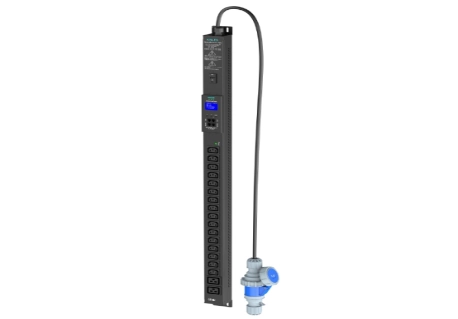
A smart PDU can provide information about current, voltage, power, energy use, and individual outlets. This allows facility teams to identify abnormal load conditions before they become shutdown events.
Useful monitoring functions may include:
- Real-time current and voltage readings
- Total power and energy measurement
- Outlet-level monitoring
- Load trend analysis
- Temperature and humidity sensing
- Overload warnings
- Remote access through a web interface
- SNMP or other communication methods
The value of monitoring is not limited to data collection. It supports capacity planning, maintenance decisions, and faster fault checks. In a large data center, technicians can review cabinet conditions before entering a restricted area or shutting down equipment.
Smart Functions Must Match the Site System
A smart PDU should work with the customer’s existing management process. Buyers should ask whether the device can communicate with the monitoring platform already used at the site.
在 凯尔斯, we develop PDU solutions for data centers, industrial automation, smart buildings, and new energy applications. Our Smart PDU range supports remote monitoring, precise measurement, communication functions, and intelligent control for customers who need more than basic rack power distribution.
The key point is compatibility. A supplier should explain how the PDU connects, what data it provides, how alarms are handled, and whether the system can be expanded later.
Can the Supplier Support the Whole Project?
PDU procurement is often delayed because the buyer receives a product quotation but not enough engineering support. For complex projects, supplier capability can influence the schedule as much as product price.
Ask for Engineering Evidence
When reviewing a data center PDU manufacturer, request clear technical information rather than general claims.
A serious technical review should cover:
- Electrical drawings and wiring diagrams
- Product dimensions and installation drawings
- Load and circuit schedules
- Testing procedures
- Certification information
- Communication protocol details
- Packaging and delivery plan
- Spare parts and replacement process
- Warranty and technical response time
This is also important when searching for pdu suppliers for a multi-site project. The supplier should be able to keep specifications consistent across different production batches and provide documents that can be reviewed by the EPC or consulting engineer.
Make Customization Part of the First Discussion
Customization does not always mean creating a completely new product. It may involve changing the input plug, cable length, outlet arrangement, display position, monitoring functions, circuit protection, or enclosure dimensions.
Customers looking for a power distribution equipment factory should explain the project conditions early. This gives the manufacturer time to review the design, confirm materials, and identify any possible production risks.
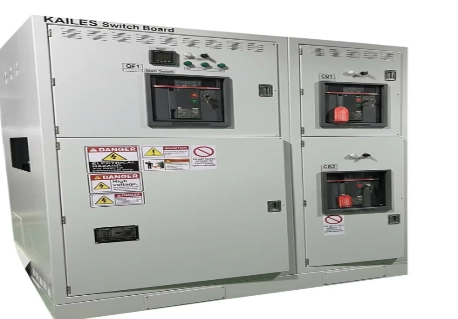
For larger facilities, the PDU may also need to coordinate with switchboards, panelboards, and control systems. KAILES can support related equipment and provide solutions that connect rack-level distribution with wider electrical planning. In projects requiring custom switchboards for data centers, early communication helps keep the PDU, upstream protection, and installation layout consistent.
How Can KAILES Support a Practical Procurement Process?
A reliable procurement process should begin before the purchase order. The supplier needs to understand the customer’s power conditions, rack layout, monitoring goals, and delivery schedule.
At KAILES, we provide technical communication and project-based support during the early design stage. Our pre-sales 服务 includes power system assessment, customized selection suggestions, electrical drawings, layout planning, and solution discussions based on customer requirements.
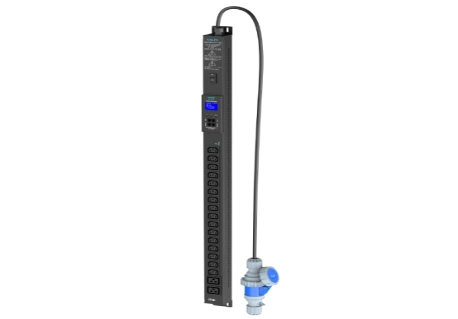
We also offer different PDU types, including basic PDU, metered PDU, monitored PDU, Smart PDU, and high-power solutions. This allows customers to match the product with the real needs of each rack, room, or industrial application instead of using one configuration everywhere.
After delivery, technical support remains important. Installation questions, communication settings, replacement parts, and maintenance guidance can affect the long-term performance of the system. Our after-sales service is designed to support customers after the equipment arrives and enters operation.
结论
AI data centers are placing new demands on rack-level power distribution. A suitable AI data center PDU must support the required current, outlet arrangement, redundancy plan, monitoring system, and future expansion. Buyers should also examine the supplier’s engineering support, customization ability, testing process, and response after delivery. The right decision is not always the lowest-cost product. It is the solution that fits the complete power path and remains practical as the facility grows. Whether the project needs a high density pdu, industrial power control, or coordinated equipment from a data center PDU manufacturer, early technical communication can reduce rework, delays, and operating risk.
常见问题解答
问: What is an AI data center PDU?
A: It distributes and monitors power for high-density AI server racks.
问: When is a high density PDU necessary?
A: It is necessary when rack loads exceed standard PDU capacity.
问: What should buyers ask PDU suppliers?
A: Ask about ratings, customization, testing, delivery, communication, and after-sales support.

