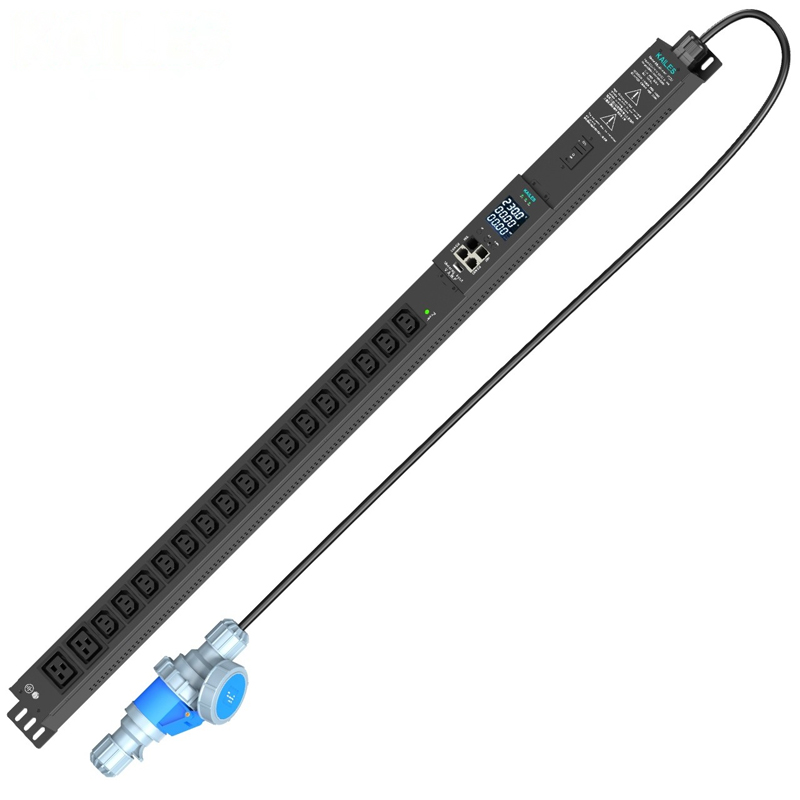
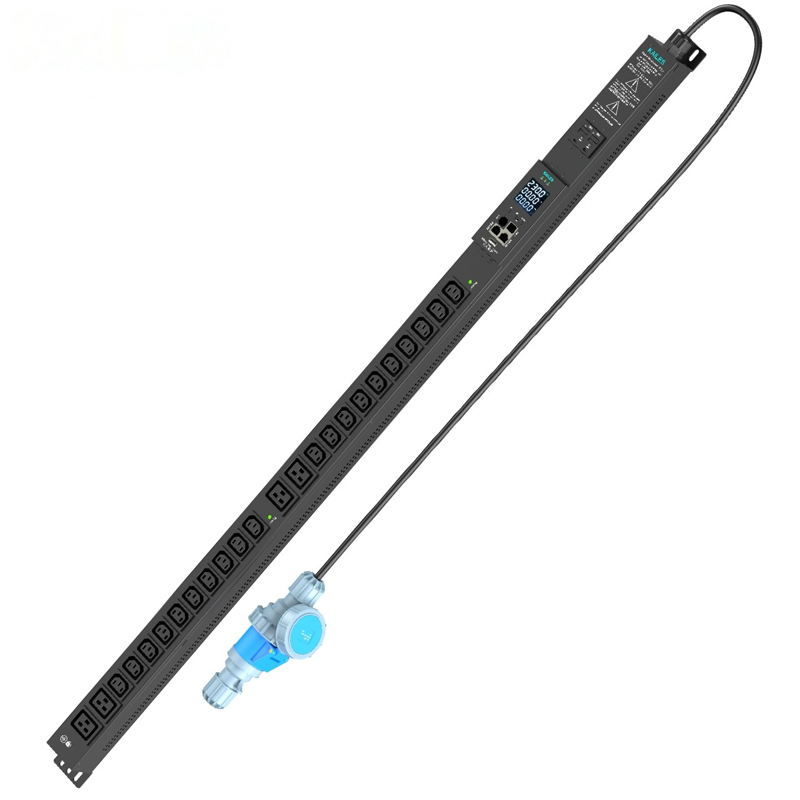
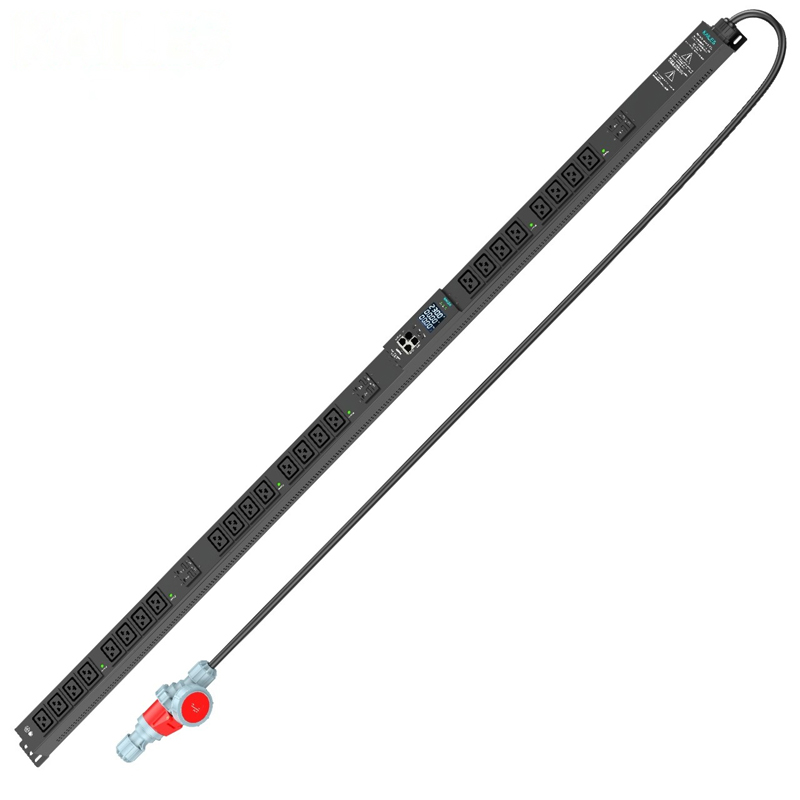
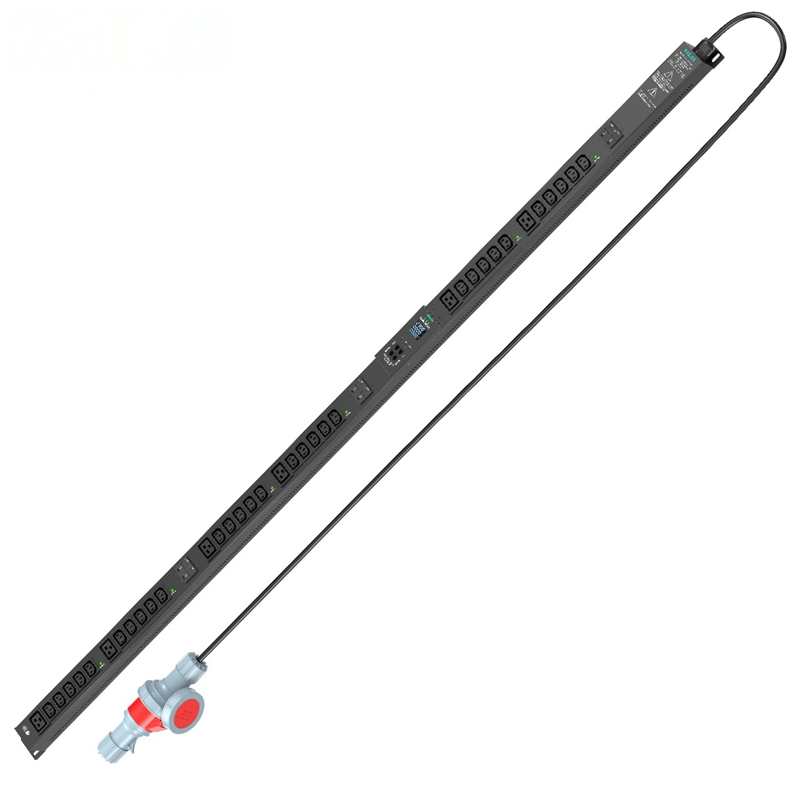

Clear requirements from the start for faster project execution.
Confirm the destination market, applicable certification, input voltage, phase, current, plug type, outlet type and quantity, rack format, cord length, installation environment, and delivery requirements. For Smart PDU projects, also define metering level, communication protocols, sensors, alarms, user permissions, and remote outlet-control requirements.

Application-specific engineering for safe, compact, and serviceable rack power distribution.
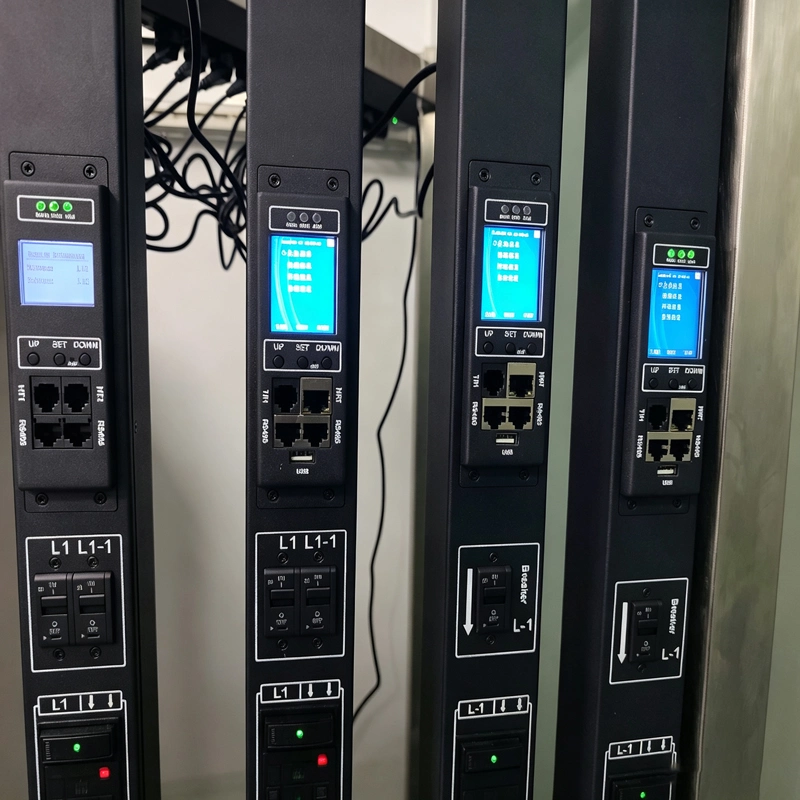
Develop the electrical schematic, outlet layout, branch-circuit arrangement, conductor sizing, protection coordination, grounding design, enclosure dimensions, and mounting method. Smart PDU engineering additionally covers controller architecture, metering points, network interfaces, relay control, firmware functions, and communication data points.

Approved components selected for electrical performance and long-term reliability.
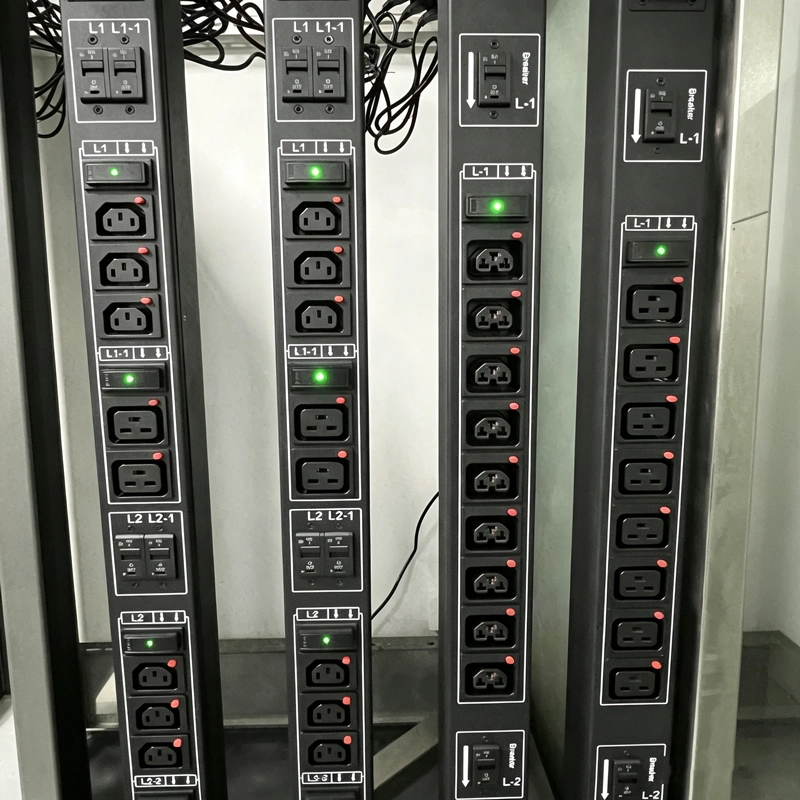
Select input plugs, power cords, IEC/NEMA outlets, protective devices, conductors, terminals, aluminum or steel housings, labels, and mounting accessories. Smart PDU configurations also include metering modules, controller boards, relays, displays, communication modules, and environmental sensors. All selections remain subject to the approved design and certification scope.

Controlled manufacturing for accurate fit and repeatable quality.
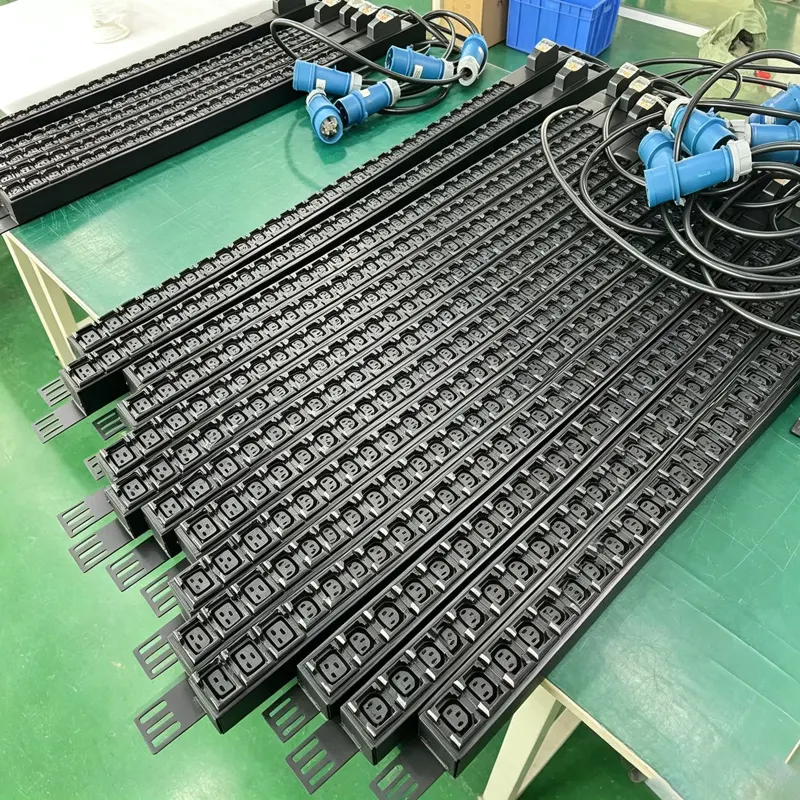
Complete aluminum-extrusion or sheet-metal cutting, punching, machining, surface finishing, outlet-panel preparation, conductor cutting, terminal crimping, and wire-harness identification. PCB production, firmware loading, and controller preparation are added for Smart PDU configurations.

Disciplined assembly for clear wiring and efficient maintenance.
Install outlets, breakers, switches, terminal blocks, conductors, grounding connections, input cords, mounting accessories, and permanent labels according to controlled drawings and work instructions. Smart PDU units additionally receive displays, controller boards, relays, communication ports, sensor interfaces, network settings, and firmware configuration.

Every unit is inspected and tested before release.
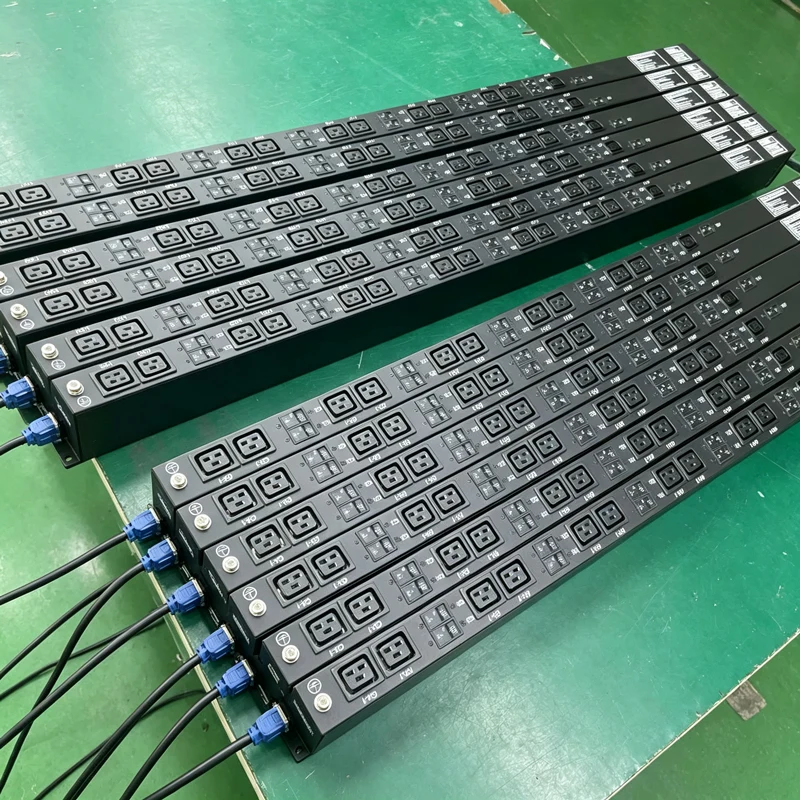
Basic PDU testing includes appearance, dimensions, wiring verification, grounding continuity, insulation resistance, dielectric withstand, polarity, functional operation, and load checks according to the applicable procedure. Smart PDU testing additionally verifies metering accuracy, outlet switching, alarms, communication protocols, web access, user permissions, sensor inputs, event logs, firmware version, and power-restoration behavior. Test records are maintained for traceability.

Packaging and documentation prepared for efficient international delivery.
Apply protective packaging, accessory identification, batch and serial-number tracking, and suitable export cartons or pallets. Provide applicable drawings, user manuals, test records, configuration files, communication-point lists, and packing documents. Delivery arrangements are coordinated according to the destination, shipment method, and agreed Incoterms.