
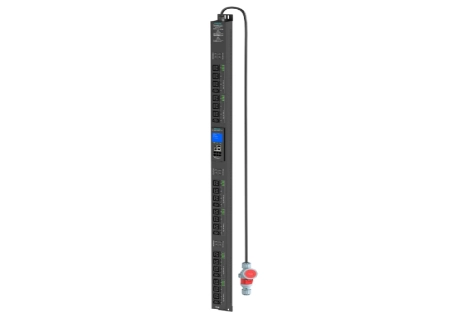
AI servers are changing the way data centers plan rack power. A cabinet that once carried a moderate IT load may now support GPU servers, high-speed networking equipment, and advanced cooling systems. The result is a stronger demand for stable, visible, and scalable power distribution.
Recent energy reports also point to continued growth in data center electricity demand, especially in the United States. For project owners and engineering teams, choosing a PDU is no longer only about the number of outlets. The decision must connect rack power with the upstream switchboard, panelboard, control cabinet, protection system, and future expansion plan.
At KAILES, we help customers review these details before production begins. The right AI data center PDU should fit the actual electrical design, not simply match a catalog description.
Start With the Real Power Profile of the Rack
Before comparing product models, buyers need a clear picture of how the rack will operate. AI loads can rise quickly during training, inference, testing, or peak data processing. A PDU selected from average consumption alone may leave too little capacity for normal operating changes.
The following two points help project teams avoid a common mistake: choosing a PDU based only on the present equipment list.
Calculate Current Load and Future Demand
Begin with the rated input requirements of every server, switch, storage unit, and auxiliary device. Then compare the total with the expected operating load rather than using only the maximum nameplate value.
Important information includes:
- Rated voltage and frequency
- Single-phase or three-phase input
- Continuous current
- Number of power supplies per server
- Required outlet type and quantity
- Expected rack growth within three to five years
- Available capacity on the upstream circuit
An AI data center PDU should provide useful working capacity without creating unnecessary spare space. Too little capacity limits deployment. Too much capacity may increase cost, cabinet size, and unused electrical infrastructure.
It is also important to review the difference between IT load and cooling-related load. A high-density rack may need more power as thermal conditions change. The PDU should be selected with the wider operating environment in mind.
Plan for Power Swings and A/B Feeds
AI workloads do not always consume power at a steady level. Rapid changes in server activity can create noticeable load swings. This makes circuit balance and power visibility more important than a simple total ampere figure.
For dual-corded equipment, the rack normally needs separate A and B power paths. Each path should be checked for:
- Independent upstream protection
- Suitable current rating
- Balanced phase loading
- Matching connector types
- Clear cable routing
- Safe maintenance access
A PDU may be installed below or beside the rack, but its performance depends on the complete power chain. A large 2000A switchboard can supply a facility, yet the branch circuit, panelboard, and rack-level PDU still need their own correct ratings.
Match the PDU to the Upstream Electrical System
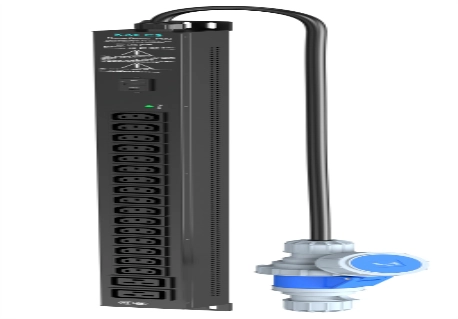
A rack PDU should never be specified separately from the main distribution design. The switchboard controls facility-level power distribution, the panelboard serves branch circuits, and the control cabinet may manage equipment functions or automation. Each part affects the final PDU selection.
The KAILES Product Center includes basic, metered, monitored, smart, and high-power PDU solutions. Buyers can compare these categories only after confirming the electrical conditions at the installation site.
Confirm Voltage, Phase, Current, and Connectors
Many procurement problems begin with incomplete input information. A supplier may receive a request for a “high-power PDU” without a confirmed voltage, phase, input plug, or branch protection requirement.
Before requesting a quotation, prepare:
- Input voltage and frequency
- Phase configuration
- Rated current
- Input cable length
- Input connector or terminal arrangement
- Outlet type, such as C13 or C19
- Outlet quantity and spacing
- Circuit breaker arrangement
- Vertical or horizontal mounting method
- Network and monitoring requirements
C13 outlets may suit many standard IT devices, while C19 outlets are often selected for equipment with higher current demand. The correct combination depends on the server power supplies and the cable design inside the rack.
Projects involving low voltage switchboards in USA also need careful coordination with local electrical requirements, available fault current, enclosure design, and installation practice. A PDU that works in one facility may not be suitable for another without changes to the input and protection details.
Check the AIC Rating and Fault Protection
The AIC rating label should be reviewed before the equipment is approved. AIC refers to the interrupting capacity of a protective device. The rating must be suitable for the available fault current at the installation point.
Do not compare the PDU label in isolation. Ask the design team to review:
- Available short-circuit current
- Breaker interrupting rating
- System voltage
- Upstream panelboard rating
- Coordination between breakers
- Required SCCR documentation
- Labeling and test records
When engineers compare standard AIC ratings for panelboards, they should also confirm how the selected PDU connects to that panelboard. The protection chain must be consistent from the switchboard to the branch circuit and finally to the rack equipment.
This is especially important in large AI facilities, where a high-capacity electrical service can create demanding fault-current conditions. The supplier should provide clear technical documents instead of leaving the buyer to estimate compatibility.
Choose Monitoring Based on the Risk You Need to Control
Monitoring is valuable when it supports a clear operating decision. Some facilities only need local current readings. Others need rack-level energy records, remote alarms, environmental sensors, and communication with a larger management platform.
The best choice depends on the customer’s operating model, maintenance team, and response process.
Compare Basic, Metered, Monitored, and Smart PDUs
A basic PDU is suitable when the facility already has strong upstream monitoring and the rack does not require detailed information. It can provide practical power distribution with a simpler design.
A metered PDU adds local readings, which may help technicians identify an overloaded circuit or compare rack consumption.
A monitored PDU can provide more detailed information, such as:
- Current
- Voltage
- Active power
- Energy use
- Temperature
- Humidity
- Communication status
A smart PDU adds remote access, alarms, switching control, and network communication. This can help facility teams manage a large number of racks without visiting every cabinet.
When comparing a smart pdu manufacturer, ask whether the monitoring system provides useful data in a clear format. A long list of readings is not enough. The system should help staff identify abnormal current, uneven loading, temperature changes, or a power event quickly.
Decide When Remote Alarms and Sensors Are Necessary
Remote alarms become more important when the facility operates continuously, has limited on-site staff, or supports critical workloads. A useful alarm system should identify the problem and show where action is needed.
Typical alarm conditions include:
- Current approaching a set limit
- Loss of input power
- Breaker trip
- High temperature
- High humidity
- Communication failure
- Phase imbalance
- Outlet or branch overload
Environmental sensors may be valuable in high-density racks because electrical and cooling conditions are closely linked. However, sensors should be included only when the facility has a process for reviewing and responding to the data.
This is where industrial power control becomes more than a hardware purchase. The PDU, switchboard, panelboard, control cabinet, monitoring software, and maintenance process should support one operating plan.
Select a Supplier That Can Support the Whole Project
For AI data centers, the lowest unit price is rarely the only factor. Delays in technical confirmation, drawing approval, certification documents, or replacement support can affect the whole project schedule.
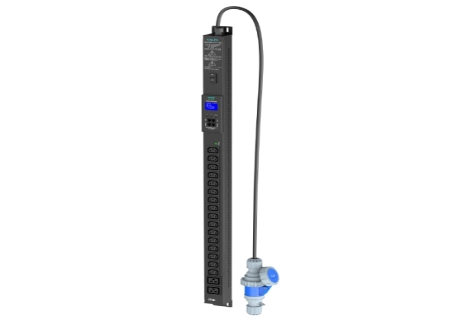
A capable PDU manufacturer should be able to discuss the complete application before suggesting a product category.
Review Custom Build and Engineering Support
Many projects require changes to standard products. These may include special input arrangements, different outlet combinations, longer cables, custom enclosure dimensions, communication protocols, or integration with a specific control system.
Customers looking for a pdu manufacturer should ask whether the supplier can support:
- Electrical drawings
- Rack layout review
- Load calculations
- Sample production
- Prototype testing
- Custom labels
- Installation guidance
- Batch production planning
At KAILES, we use our pre-sale service to review customer requirements before confirming the final design. This process helps reduce errors caused by missing electrical information.
A custom PDU is not always necessary. In some projects, a standard model can meet the requirements and shorten the schedule. In others, customization may reduce installation work and improve compatibility with the upstream system.
Confirm Testing, Documentation, and After-Sale Response
Before placing an order, request the documents needed by the project owner, EPC team, or authority having jurisdiction. These may include product drawings, wiring diagrams, test records, ratings, user instructions, and inspection documents.
Also confirm:
- Production lead time
- Factory inspection options
- Packaging method
- Spare parts availability
- Warranty terms
- Remote technical response
- Repair and replacement process
After installation, our after-sale service supports technical questions, remote assistance, maintenance guidance, and follow-up needs. This matters because PDU issues are often discovered during commissioning rather than during the initial purchase.
A supplier should also communicate clearly when a requested rating or configuration is not suitable. Honest technical feedback can prevent a costly change after delivery.
Conclusion
Choosing an AI data center PDU requires more than checking outlet quantity or rated current. Buyers need to connect rack demand with the switchboard, panelboard, control cabinet, protection ratings, monitoring system, and future expansion plan. Input voltage, phase, C13 or C19 outlets, A/B power paths, AIC information, alarms, and communication functions should be confirmed before production.
A reliable supplier should also provide drawings, sample support, clear testing documents, and responsive service. Whether the project needs a basic PDU, a monitored model, or a high-power smart solution, the final choice should match the facility’s real operating risks. With careful planning, the PDU becomes a dependable part of the data center power chain rather than a last-minute rack accessory.
FAQs
Q: What is the best AI data center PDU for high-density racks?
A: Choose a PDU matching rack load, voltage, phase, current, connectors, monitoring, and expansion plans.
Q: Why is the AIC rating label important?
A: It shows whether the protective device can safely interrupt the available fault current.
Q: When should I choose a smart PDU manufacturer?
A: Choose one when remote monitoring, alarms, energy records, or outlet control are required.

