
A Power Distribution Unit is no longer a simple rack accessory. In data centers, automated factories, and smart buildings, it supports the equipment that keeps daily operations running. If a PDU fails, the result can be serious: server downtime, stopped production lines, security system failures, or long troubleshooting work for facility teams.
Today, power demand is rising fast. AI servers are increasing rack density. Industrial sites are adding more robots, sensors, drives, and control panels. Smart buildings rely on stable power for HVAC, lighting, access control, surveillance, and network systems. Because of this, buyers need more than a low-cost strip. They need a reliable PDU manufacturer that understands electrical safety, load planning, remote monitoring, product testing, and long-term service.
Why Choosing the Right PDU Manufacturer Matters
A PDU works close to high-value equipment. When it is correctly selected, it helps distribute power safely and keeps cabinets organized. When it is poorly selected, it may cause overload, heat, cable stress, or unexpected shutdowns. The risk becomes higher in high-density racks and automated facilities where downtime is costly.
A reliable PDU manufacturer should not only sell hardware. It should help customers review the real power environment, confirm electrical requirements, provide drawings, test products, and support the project after delivery.
High-Density Loads Need Careful Planning
In a small cabinet, a wrong PDU may only cause inconvenience. In a data center or factory cabinet, the same mistake can stop important systems. Buyers should always check the total power load before choosing a model.
A reliable manufacturer should avoid recommending the same product for every project. It should guide customers toward Basic PDU, Metered PDU, Monitored PDU, Smart PDU, or High Power PDU according to real site needs.
Review the Product Range First
Price matters, but product fit matters more. A low-cost PDU can become expensive if it causes wrong wiring, extra adapters, poor monitoring, or future replacement. A professional manufacturer should offer a complete product range so buyers can match the PDU to the application.
KAILES provides a full PDU center covering Basic PDU, Metered PDU, Monitored PDU, Smart Managed PDU, and High Power PDU options for different cabinet and facility needs. Our goal is to help customers choose safe and practical power distribution instead of forcing one standard model into every site.
Basic PDU for Simple Power Distribution
A Basic PDU is suitable for simple rack power distribution where remote monitoring is not needed. It is often used in small network rooms, office cabinets, light industrial cabinets, and standard IT spaces.
Even so, a Basic PDU should not be treated as a cheap extension strip. Buyers should check the shell material, conductor quality, grounding design, cable thickness, plug quality, and overload protection. A product made with weak materials may heat up during long working hours.
Basic PDU models are a good choice when the load is stable and the team does not need energy data. If the cabinet load changes often, a Metered PDU or Monitored PDU may be a better choice.
Metered, Monitored, and Smart PDU for Better Visibility
A Metered PDU gives local power readings, such as current, voltage, or power use. It helps engineers check load status directly at the rack. This is useful during installation, maintenance, or load planning.
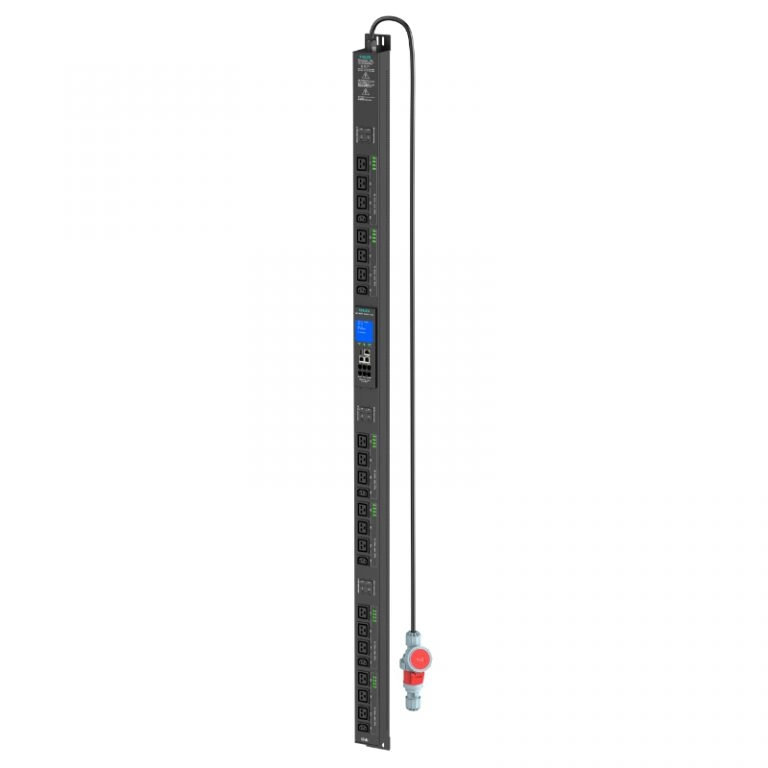
A Monitored PDU or Smart PDU goes further. It allows teams to view power data remotely and respond faster when abnormal loads appear. These products are useful for data centers, telecom rooms, unmanned equipment rooms, edge sites, and high-reliability industrial spaces.
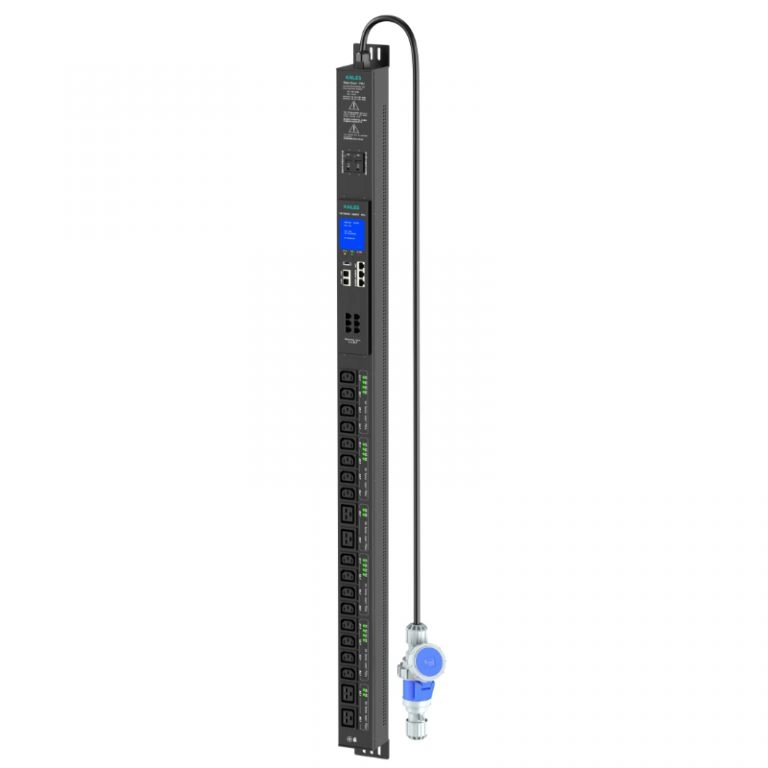
Our Smart Managed PDU are designed for digital power management, remote monitoring, precise metering, and intelligent control. We build them for customers who need clear power data, safer cabinet operation, and easier maintenance.
High Power PDU for AI and Heavy Loads
High Power PDU are becoming more important as rack power density rises. AI computing, high-performance computing, dense storage, and heavy industrial systems can place serious demand on cabinet-level distribution.
A High Power PDU should be reviewed for current rating, three-phase support, breaker design, heat rise, cable size, outlet layout, phase balance, and mechanical strength.
Check Engineering Ability and Custom Support
Drawings Reduce Installation Problems
Many PDU issues appear during installation, not during product selection. A cable may be too short. A plug may face the wrong direction. The PDU may block cabinet airflow. A breaker may be hard to reach after the cabinet is assembled.
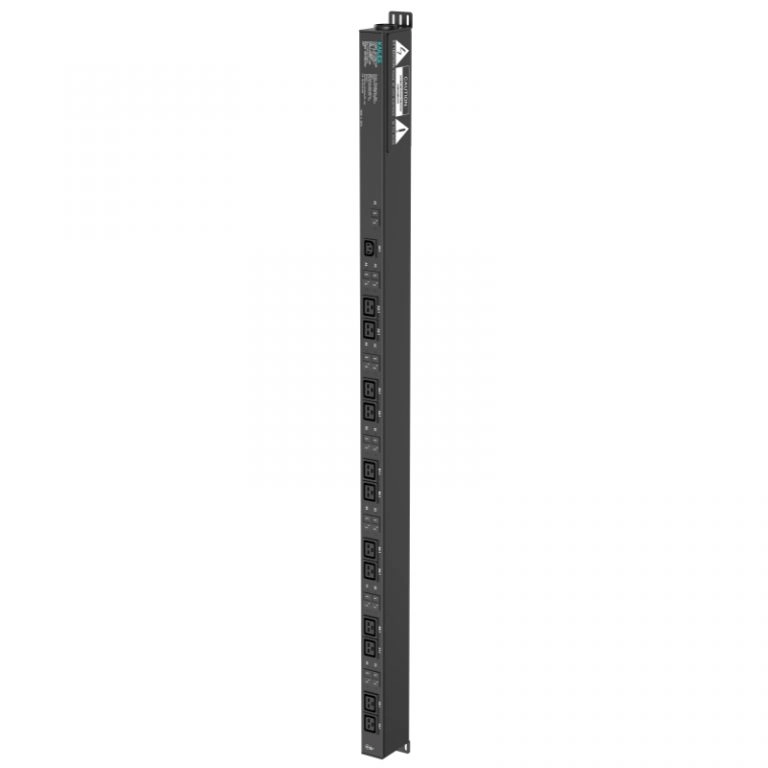
A reliable manufacturer should provide clear drawings before production. These drawings should show size, mounting direction, input cable, plug type, outlet layout, breaker position, label position, and communication ports.
At KAILES, our pre-sale service includes power system assessment, one-on-one expert support, customized selection suggestions, and fast drawing support. We use this process to help customers reduce mismatches before manufacturing.
Customization Should Still Follow Quality Rules
Many projects need customized PDUs. Data centers may need special outlet combinations. Industrial automation cabinets may need rugged designs or special mounting. Smart buildings may require compact products for communication rooms or control cabinets.
Customization should never mean loose quality control. Each custom product still needs proper design review, testing, and documentation.
Match the PDU to the Application
Different applications have different risks. A data center needs uptime and power visibility. A factory needs stable operation and strong physical design. A smart building needs safe wiring, space-saving products, and long-term maintenance support.
A reliable PDU manufacturer should speak clearly to engineers, procurement teams, and facility managers. It should explain which model fits each environment and why.
Data Centers
For data centers, uptime is the main concern. Buyers should focus on rack power capacity, A/B feed design, metering, monitoring, phase balance, alarm function, network communication, airflow, cable routing, and maintenance access.
For AI-ready or high-density rooms, Smart PDU and High Power PDU models should be considered early in the design stage.
Industrial Automation
Industrial sites often face vibration, dust, electrical noise, and long working hours. The PDU may support control cabinets, testing equipment, sensors, industrial computers, and production systems.
Buyers should check shell strength, mounting stability, overload protection, cable quality, cabinet compatibility, heat resistance, and clear labeling. The product should be practical, strong, and easy to inspect.
Smart Buildings
Smart buildings use power for lighting control, HVAC, access control, security, parking systems, network rooms, and building management platforms. The load may not be as heavy as AI servers, but reliability still matters.
A Metered PDU or Monitored PDU can help building teams see power use more clearly, avoid overload, and plan future expansion.
Compare Testing, Certification, and Service
Quality control is where reliable manufacturers stand out. A PDU is an electrical product, so every minor defect can become a future risk. Buyers should ask how each product is tested before shipment, not only what appears in the catalog.
Common factory checks include:
- Visual inspection
- Wiring inspection
- Grounding test
- Insulation test
- Withstand voltage test
- Function test
- Metering or monitoring accuracy check
- Label and packaging check
Certifications also help reduce risk. They show that the manufacturer understands international safety and market requirements. KAILES power distribution cabinets and PDU have obtained relevant certifications such as CSA, UL, and CE, and we support customers with documentation based on project needs.
Service is equally important. A PDU project does not end after delivery. Customers may need drawing changes, installation support, spare parts, technical answers, or fault analysis.
KAILES provides after-sale service covering response support, warranty service, remote technical consultation, maintenance options, spare parts support, and clear service processes. We focus on dependable power products and long-term customer support.
Conclusion
Choosing a reliable PDU manufacturer is a safety and operation decision, not only a purchasing task. Data centers need stable rack power and clear power data. Industrial automation sites need strong products that can work under demanding conditions. Smart buildings need safe distribution, clean wiring, and support for future digital systems. The right manufacturer should offer a complete PDU range, strong engineering support, clear drawings, tested products, certification support, and dependable after-sale service. KAILES focuses on safe, intelligent, and reliable power distribution solutions for these environments. By reviewing both product quality and service ability, buyers can reduce risk, control project cost, and build a stronger power foundation.
FAQs
Q:What is the best PDU for data centers?
A:A Smart PDU is often suitable when remote monitoring and load visibility are required.
Q:How do I choose a reliable PDU manufacturer?
A:Check product range, testing, certifications, drawings, warranty, and after-sale support.
Q:Can one PDU manufacturer serve smart buildings and factories?
A:Yes. Choose a manufacturer with rack, monitored, and high power PDUs.

