
Choosing the wrong Power Distribution Unit (PDU) can lead to overloaded circuits, unexpected downtime, overheating racks, or even damaged equipment. For IT managers, data center operators, and facility engineers, understanding a PDU spec sheet isn’t just technical detail — it’s risk prevention.
Yet many buyers struggle with key specifications like voltage ratings (208V vs. 415V), amperage capacity (32A vs. 63A), and single-phase vs. three-phase configurations. What do these numbers actually mean for your servers? How do they impact load balancing, power efficiency, and long-term scalability?
Understanding PDU Specifications
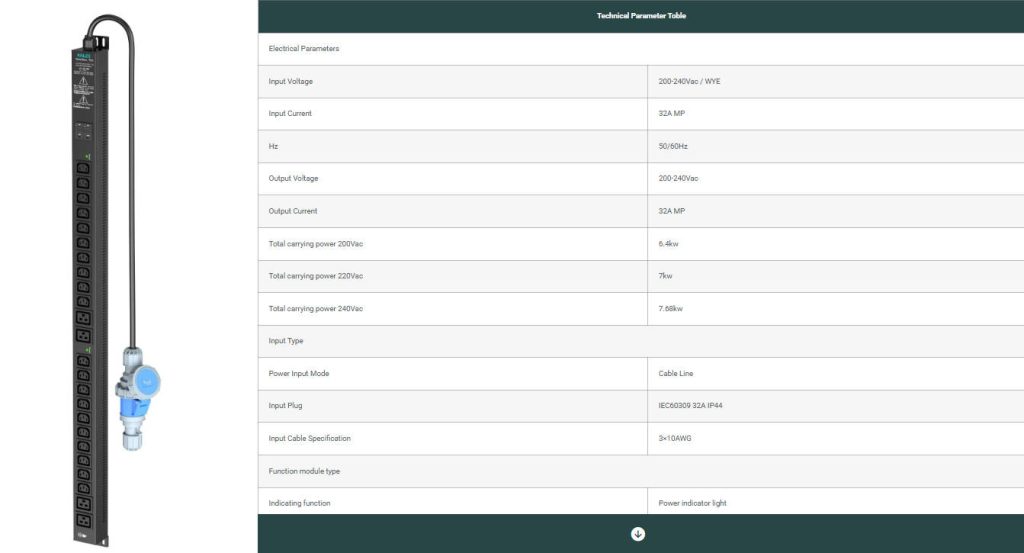
When you look at a power distribution unit (PDU) specification sheet, three main factors come into focus: voltage, amperage, and phase. These elements shape how well the PDU supplies power to attached devices and fit with your setup. Voltage means the force that moves electrical flow through wires. Amperage shows the volume of that flow. Phase sets up the way power arrives—either single-phase or three-phase. Each part affects the total load the PDU can manage safely. It also influences how that load spreads to various devices.
Voltage in PDU Spec Sheets
Voltage appears early in any KAILES PDU datasheet. In basic terms, it describes the electrical push between two points in a circuit. People measure it in volts (V). This value sets how much push exists to drive current into linked devices.
Picking the right voltage means your PDU gives enough power. It avoids overload or waste. A wrong match might lead to poor work or damage to the gear. So, always check both input and output voltage levels. Do this when you choose a model from KAILES’ product list.
KAILES Basic PDU works with many power sources. These include 110-125V/200-240V/346-415V/208V. It handles both AC and DC power. Such flexibility lets users place PDUs in spots that follow different global rules. They do not need to stress over voltage issues. For example, take the model KLS-K222E-B12E22G6-0A1. It runs on 220–240 Vac WYE 32A input. On the other hand, KLS-K224E-B16E30G6-0A1 deals with 346–415 Vac WYE 32A input. This suits spots that need more power.
Amperage in PDU Spec Sheets
Amperage stands for the level of electrical current that passes through a circuit at a given moment. It is measured in amperes (A). A PDU with a higher amperage rating can power more devices at the same time. It stays under its safe limit. Knowing amperage stops overloads. Those could set off breakers or hurt delicate electronics. KAILES adds built-in circuit breakers. They shut off power if the current goes beyond safe levels. This feature keeps things running smoothly.
KAILES products show amperage ratings from 10A to 125A. The range depends on the setup. KAILES Basic PDU delivers secure and steady power distribution to all linked devices in server racks or network cabinets. It comes with choices for power input and output. These go from AC to DC, single-phase to three-phase, and 10A to 125A. For instance, a 32A MP model offers strong current handling. This fits mid-sized server racks or small data centers. The amperage also shapes the total power capacity. At 200 Vac input with 32 A current, the total reaches about 6.4 kW. At 240 Vac, it rises to 7.68 kW.
Single Phase vs. Three Phase PDUs
Single-Phase PDUs for Specific Scenarios
Single-phase PDUs fit places with average power needs. Think small offices or single equipment racks. They are simple to set up and maintain. This comes from their basic wiring design. The basic type PDU (Power Distribution Unit) focuses on a plain and dependable build. It meets what users want for central power to many devices, protection from risks, and smart use of space. The upsides include less setup hassle, smaller startup costs, and fit with the usual AC mains in office spots.
KAILES single-phase options, such as KLS-K222B-B11E18G2-0A1, work well for tight spaces. They need a steady but simple distribution. These models give up to 18 C13 outlets. They add C19 sockets too. All this fits in a narrow vertical body. It suits network closets or small IT systems. Here, saving money counts a lot.

Three-Phase PDUs for High-Density Cabinets
Three-phase PDUs serve bigger setups. Examples include company data centers or factory control systems. High-density racks require an even load spread over several lines. Three-phase setups let you balance loads across phases better. This lowers neutral current. It boosts the whole system’s work rate. Such a plus helps when you grow operations in today’s data centers. KAILES Smart Managed PDUs power them.
KAILES Basic PDU provides safe and reliable power distribution for all connected devices in server racks or network cabinets. Models like KLS-K224E-B16E30G12-0A1 are made for these tough jobs. They take input voltages from 346–415 Vac WYE at 32 A MP rating. This brings up to 23 kW total capacity at 240 Vac output. It handles heavy tasks well. Plus, it cuts down the heat in cabinets.
Making Informed Purchasing Decisions
Reading a spec sheet correctly can shift things from good results to waste and high costs. Start by spotting your building’s power supply. Is it 208 V single-phase or 415 V three-phase? Then, line it up with the KAILES model details. Look at the amperage rating and outlet types your gear needs.
KAILES has a skilled R&D group and adaptable making options. This lets us offer custom designs and quick shipping based on what customers ask for. If you feel unsure about the best setup for your place, the pre-sale team gives free tech talks. We cover safety checks and fit reviews. This guides your pick well.
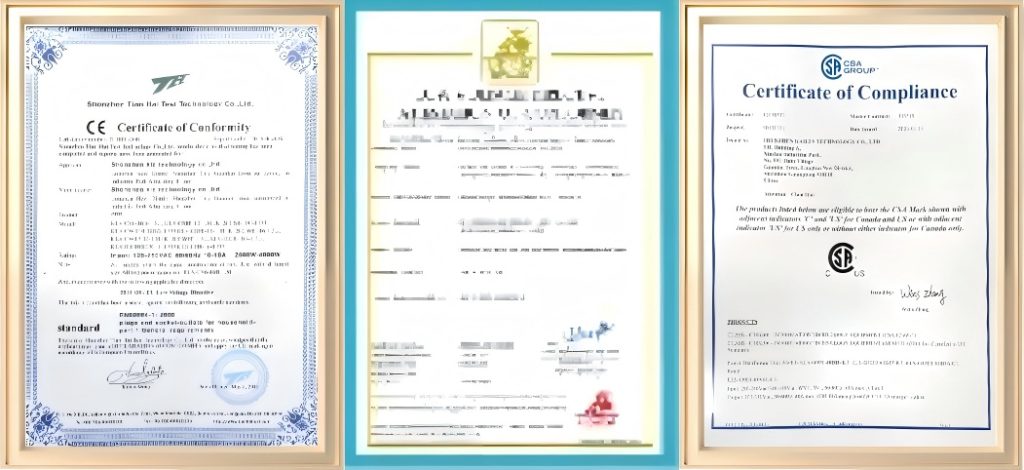
KAILES has worked in the power distribution field for over 13 years. That background means every item—from basic PDUs to smart advanced ones—follows global rules. See UL 62368 / CE / CCC certifications on each tech table. When you check spec sheets:
- Verify input/output voltage compatibility.
- Check rated current (amperage) against expected load.
- Confirm number/type of outlets (C13/C19).
- Consider physical dimensions relative to rack space.
- Review safety features like breaker protection or indicator lights.
Follow these steps with KAILES papers. Get them online or through support lines. This way, you blend the PDU into your current setup without issues. You also boost safety in daily work.
To add more detail, picture a mid-sized office with 20 servers and some networking gear. The total draw might hit 5 kW at 208 V single-phase. Here, a KAILES model like KLS-K222E-B12E22G6-0A1 fits perfectly. It handles 32A, giving room for growth without overload risks. Always calculate your peak draw—say, 80% of the PDU’s rating—to leave headroom. For instance, with 32A at 240V, aim for loads under 6 kW to stay safe.
Conclusion
Power planning mistakes are expensive—but they’re avoidable. Before selecting your next PDU, calculate your total load requirements, confirm your facility’s voltage type, and review amperage headroom to ensure safe expansion.
KAILES offers a full range of Basic and Three-Phase PDUs (10A–125A, 200–415V, C13/C19 configurations), backed by UL, CE, and CCC certifications and over 13 years of industry expertise. Need help selecting the right model? Contact the KAILES pre-sales technical team for a free power configuration consultation and customized recommendation tailored to your rack environment. Explore the full KAILES PDU lineup today and power your infrastructure with confidence.
FAQ
Q: What is the difference between single-phase and three-phase PDUs?
A: Single-phase PDUs suit smaller places with fewer power needs. They bring easy wiring and money savings. Three-phase PDUs spread big loads evenly over several lines. This works best for packed racks in large data centers.
Q: How does voltage affect the choice of a PDU?
A: Voltage sets the energy push per outlet. Picking the right range matches local rules and your hardware needs. KAILES datasheets list these clearly.
Q: Why is amperage important when choosing a PDU?
A: Amperage shows the top current level. A higher one backs more devices at once. It avoids circuit overload or breaker trips built into KAILES units.
Q: Can I use a three-phase PDU in a small office setup?
A: You can do it in theory, but it adds extra steps. Single-phase choices like KLS-K222B-B11E14G2-0A1 cover office needs at a better price.
Q: How can I ensure I’m choosing the right PDU from KAILES?
A: Look over your full load needs with our pre-sale help. Match them to official spec sheets on our website. There, you find clear details on voltage (200–415 V), currents (10–125 A), outlets (C13/C19), and certifications (UL/CE) before you buy.

